













Matcha Caffeine
Matcha caffeine is higher than most people expect, yet matcha drinks very differently from coffee. That sounds like a contradiction. It is not. The difference starts with one compound: L-theanine.

I first noticed this effect over 20 years ago when I started drinking matcha seriously, and it still surprises people when I describe the actual numbers. My first matcha purchase was from a Japanese supplier with plain foil packaging and a website focused entirely on taste. The caffeine was unmistakable, but the cup was nothing like coffee.
This post covers exactly how much caffeine matcha contains, why the experience differs from coffee, and how to time it for the best results.
How Much Caffeine Is in Matcha?
A standard 1g serving of matcha contains approximately 35-70mg of caffeine. Regular steeped green tea delivers 20-30mg per cup from the same plant. The difference comes down to how matcha is consumed: matcha is the whole leaf, stone-ground into powder. When you drink matcha, you consume the entire leaf, not just what dissolves into hot water.

Every milligram of caffeine in that leaf ends up in your cup. A typical matcha serving is 2g of powder. That puts the caffeine at 70-140mg per serving, comparable to a strong espresso shot.
Regular steeped green tea extracts only a fraction of the leaf's compounds. You are working with 2-3g of loose leaf or one tea bag, and only the water-soluble compounds cross into your cup. Caffeine is partially water-soluble, so you get 20-30mg per cup regardless of how long you steep. With matcha, the caffeine ceiling is much higher simply because the whole leaf is in your drink.
What about grade? Ceremonial versus culinary grade matcha are often compared on caffeine content, but the variation within each grade is wider than the variation between them. The more meaningful variable is serving size, not grade.
Use more powder and you get more caffeine. Grade choices are primarily about flavor and texture, not stimulant content.
One more factor: stone-grinding versus machine milling changes the powder particle size. Stone ground matcha produces a noticeably finer powder that suspends more evenly in water. That does not change the total caffeine per gram, but it does affect how fully the powder incorporates. Poorly mixed powder sitting at the bottom of the bowl means caffeine you are not drinking.
L-Theanine and What Sets Matcha Apart from Coffee
Matcha contains 19-46mg of L-theanine per gram, placing it among the highest concentrations found in any tea. The shading process used to grow tencha, the leaf type that becomes matcha, deliberately restricts sunlight for 20-30 days before harvest. This increases both chlorophyll and L-theanine production. The result is a leaf dense with amino acids that most other tea varieties cannot match.
L-theanine is an amino acid. It provides a savory, umami quality to the flavor of matcha and is not responsible for any sweetness. Matcha's sweetness, where present, comes from glucose and fructose in the young leaves.
L-theanine is found in tea leaves, and shaded leaf holds more of it than most. We describe its concentration here, not any effect.
The ratio matters. Matcha carries roughly a 2:1 caffeine to L-theanine ratio by weight. Coffee delivers caffeine with essentially zero L-theanine. Black tea sits somewhere in between, with meaningful caffeine and modest L-theanine, but nothing close to matcha's concentration per gram.
Coffee is a filtered water extraction, while matcha is the entire ground leaf in the cup, so the two are prepared and drunk very differently. L-theanine is present in matcha in far greater concentration than in coffee, which has essentially none.
When I drink my morning matcha, 5g in 250ml at 70 degrees with nothing added, the sweetness comes through before any bitterness. That is my own impression, not a measured result, and I associate it with high-quality Japanese matcha from Uji specifically.
Comparing Matcha to Other Caffeinated Drinks
Looking at common caffeinated drinks side by side makes matcha's position clear. A single espresso shot (30ml) delivers 60-80mg of caffeine with no L-theanine. Black tea brewed from 2g of loose leaf gives 40-70mg of caffeine and 5-10mg of L-theanine.

A 2g matcha serving provides 70-140mg of caffeine alongside 40-90mg of L-theanine. No other common caffeinated drink comes close to that L-theanine concentration.
Yerba mate is sometimes compared to matcha as a coffee alternative. Mate contains 70-90mg of caffeine per cup and some theobromine, also found in chocolate, which acts as a mild stimulant. What mate lacks is meaningful L-theanine, so its chemistry is much closer to coffee than to matcha, despite the marketing around it.
Timing is another practical difference, covered in the next section: caffeine from matcha stays in circulation for hours, just as it does from coffee.
The caffeine in matcha also arrives alongside other methylxanthine compounds: theobromine and theophylline. These related molecules are present in smaller amounts than caffeine. That combination is part of what makes the chemistry of matcha different from a caffeine supplement or energy drink.
Timing Your Matcha
The timing of matcha matters more than many people realize. Caffeine has a half-life of approximately five hours in most adults, which means if you drink matcha at 3pm, half of that caffeine is still in circulation at 8pm. Understanding the half-life is the most practical piece of information for anyone building a daily matcha habit.

Morning is the most straightforward window. A 2g serving prepared at 70-80 degrees Celsius, whisked with 80ml of water in a concentrated bowl, is a typical morning preparation.
Water too hot is the most common mistake I see when demonstrating preparation to customers. People use boiling water and then blame the matcha for being bitter. Seventy degrees is the number I give every time. The second most common error is stirring instead of using a proper W-motion across the bowl with a chasen.
Before exercise, matcha 30-45 minutes ahead of a training session is a common habit. I take matcha before longer sessions rather than coffee.
For most people, stopping matcha after 2pm is a reasonable rule. Those who are more sensitive to caffeine may want to move that window to noon or earlier. Individual caffeine metabolism varies significantly, so the 2pm guideline is a starting point rather than a hard rule.
For the focused morning session where you want to taste the full flavor, Uji ceremonial grade prepared pure and whisked is the right choice. For a midday latte or when you want something more full-bodied and consistent, Kagoshima is the better fit.
The Bottom Line on Matcha Caffeine
Matcha caffeine is real, significant, and higher per gram than any other tea you can brew from a single plant. A 2g serving puts you in espresso territory on caffeine alone. What makes matcha different is not that the caffeine is weaker: it is that the whole leaf comes with a high concentration of L-theanine. The roughly 2:1 ratio, combined with the whole-leaf powder, sets matcha apart from coffee.
The practical takeaway: prepare 2g at 70 degrees, think carefully about timing, and stop well before evening, since caffeine stays in circulation for hours. Understanding matcha caffeine before you build a daily habit is worth a few minutes of reading. The numbers, and the compounds behind them, explain why this tea has stayed in continuous use for centuries.
Leave a comment
Comments will be approved before showing up.
Also in Valley of Tea Blog | Tea Guides, Origins & Brewing Tips
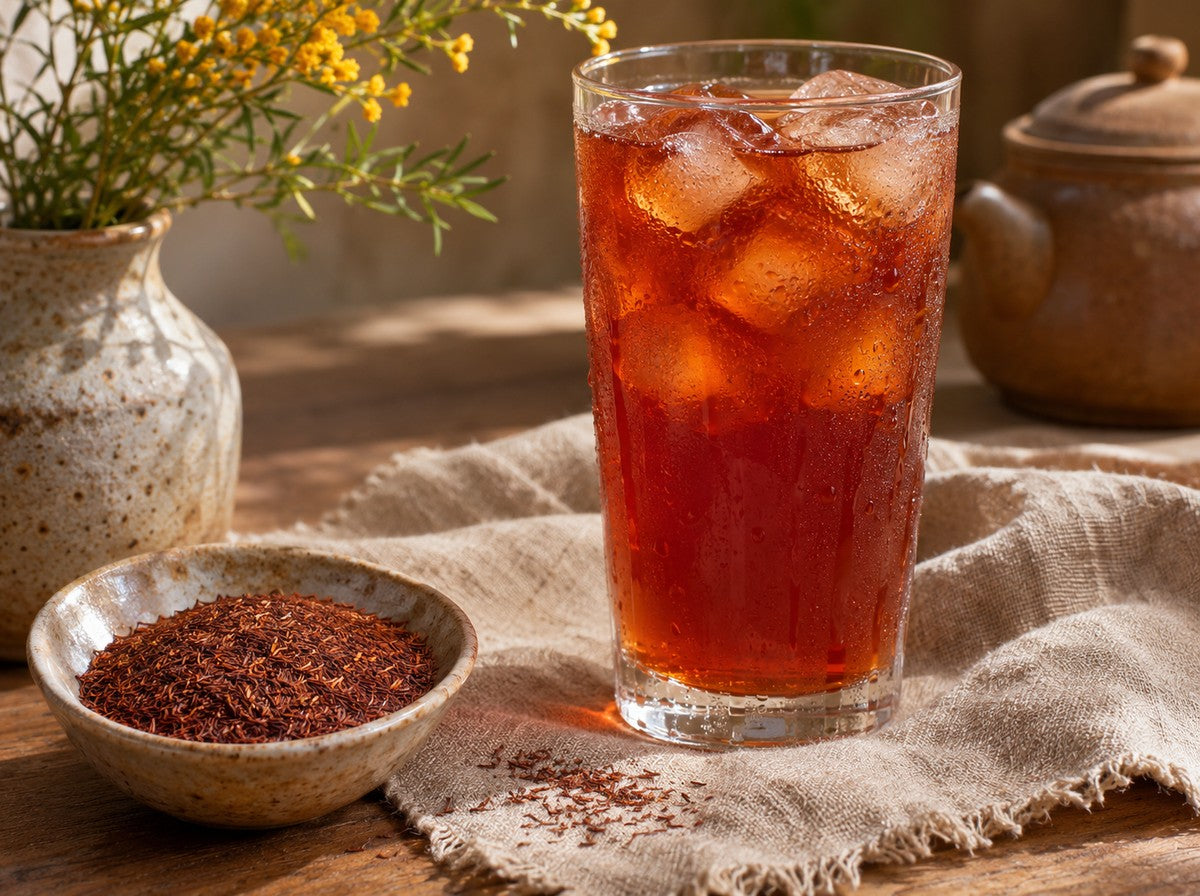

Rooibos Iced Tea: Caffeine-Free Refresher
Learn to make rooibos iced tea two ways: hot-brewed over ice in 15 minutes, or a smoother overnight cold brew, plus flavour additions and storage tips.
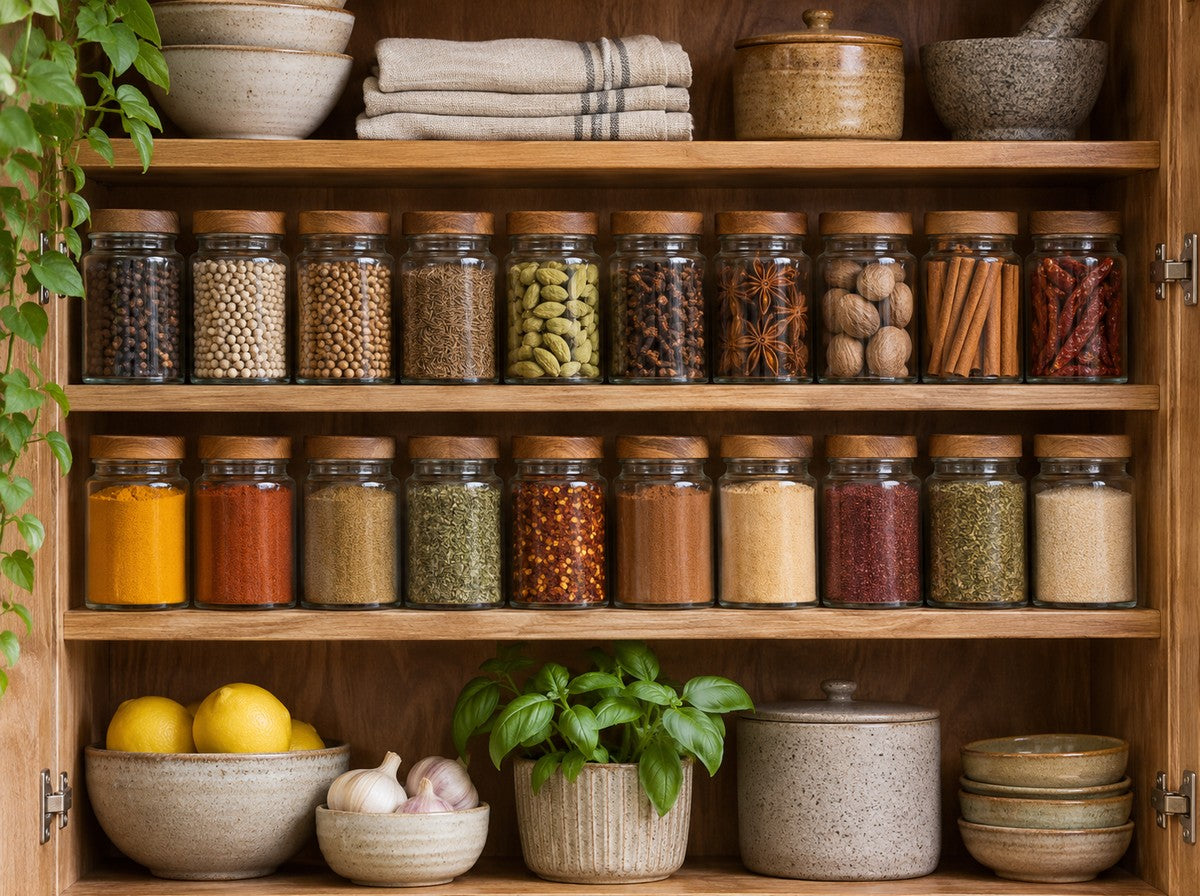

Spice Cabinet Organization: A Practical System That Works
Learn how to organize your spice cabinet with a practical system that keeps every jar findable and fresh. Temperature, layout, and audit tips included.
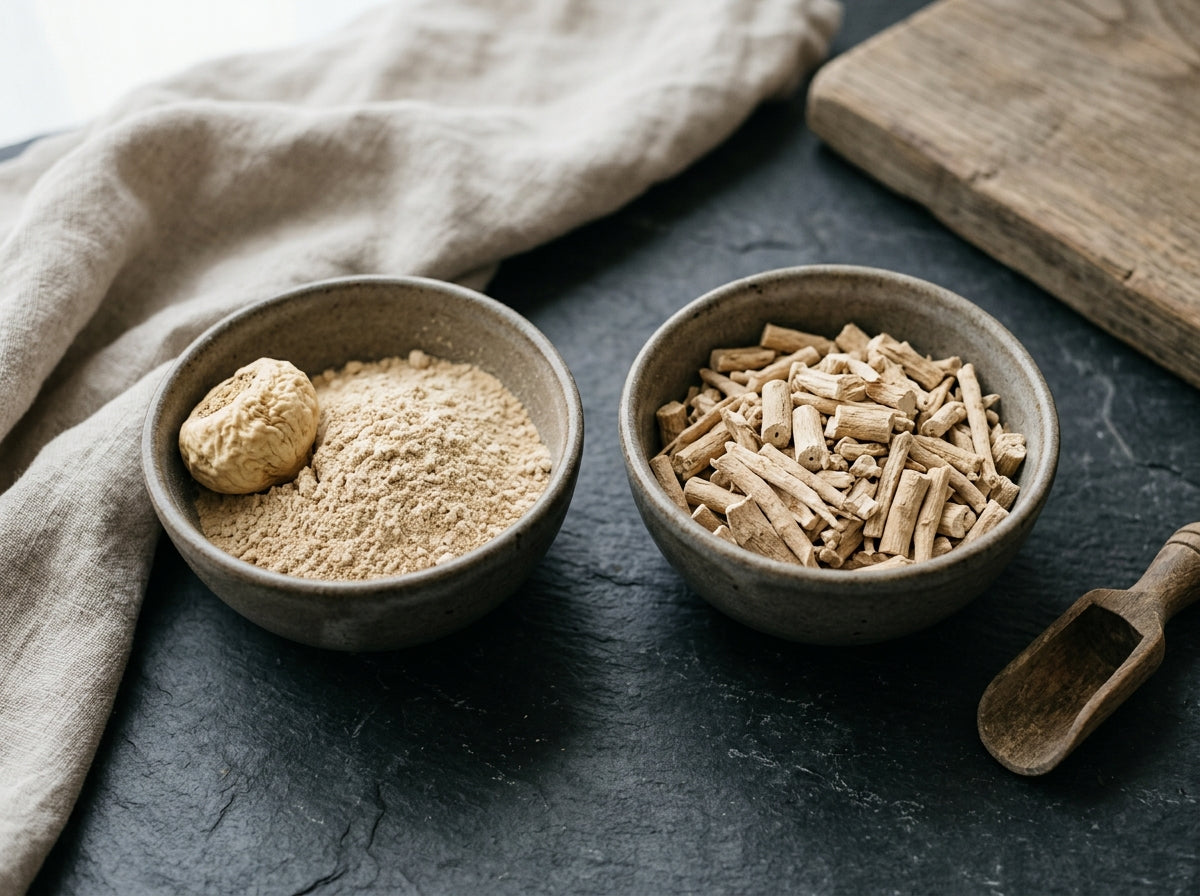

Maca or Ashwagandha for Your Daily Routine
Choosing between maca or ashwagandha? Learn how each root tastes, when to use them, and the best ways to prepare each in tea or drinks.

Wisdom is the path to better tea.
Get our free brewing guide: the right water, heat and timing for every tea we sell. You will also hear it first when new harvests arrive.
No spam. Unsubscribe any time.
Check your inbox.
The guide is on its way.