













Matcha Recipe: Easy Homemade
Most bad matcha experiences come down to three problems: water that is too hot, too much powder, or culinary grade matcha used in a setting that calls for ceremonial grade. Get those three variables right and matcha becomes one of the most satisfying drinks you can make at home. Once you understand the temperature rule, the rest follows quickly.

Our Uji matcha is shade-grown for four weeks before harvest (a method called kabuse shading), then stone-ground and shipped fresh. It works across all of the matcha recipes below, from the traditional whisked cup to baked goods.
Traditional Usucha (Thin Tea)
Usucha is the standard preparation in Japanese tea ceremony: 1g of sifted matcha in a warmed chawan, 70ml of water at 70-75°C, whisked in a W-motion for 15-20 seconds with a bamboo chasen. That is the matcha recipe in its purest form, with nothing added.

For high-grade ceremonial matcha, no sweetener is needed. The umami is already present, along with a natural sweetness that develops during shading. What you are aiming for is a stable foam layer that holds for at least 30 seconds, no clumps, a vibrant grass green colour, and an umami-forward taste that finishes clean.
My own preparation is slightly different from the ceremonial minimum. I use 5g of matcha in 250ml of water at the same temperature, nothing added, for an intense morning cup. For some it becomes a daily ritual, for others a special occasion. The single-gram usucha is the better starting point for most people, but knowing both ends of the spectrum helps you find where you want to land.
The single most common mistake is water that is too hot. Seventy degrees sounds precise until people forget it the next time they make it, and boiling water extracts harsh compounds that turn the cup bitter. The second mistake is stirring instead of whisking: a spoon will not emulsify the powder the way a chasen does. The W-motion is not optional.
A note on powder quality: stone-ground matcha has a finer texture than most machine-milled powder, which is why it blends more smoothly and sits better in suspension.
Matcha Latte
The matcha latte is a familiar Western preparation and the easiest way to introduce the flavour to someone who finds straight matcha too intense. The method that reliably prevents lumps: whisk 1.5g of matcha with 30ml of water at 75°C into a smooth paste first, then add your milk. Never add cold milk directly to dry powder.

For milk, oat has the best consistency match. Its creamy body complements the earthy, sweet flavour without competing with it. Almond works if you want something lighter, and whole dairy milk is fine and gives more body.
Steam or warm 180ml of your chosen milk and add it to the matcha paste. For sweetener, honey or agave work well. Avoid cane sugar: it dulls the umami and flattens the flavour in a way the other sweeteners do not. A small amount of agave syrup (about 5ml) is enough for most people.
For Uji ceremonial matcha specifically, the sweetness and depth are already present before you add anything. Kagoshima grade works well here too and gives a more full-bodied, consistent result that holds up better when sweetener is involved.
Iced Matcha
Iced matcha is straightforward once you know the rule: always whisk the powder with hot water first before adding ice. Adding ice to dry matcha powder creates permanent clumps that no amount of stirring will fix, because heat is what disperses the particles.

Whisk 1.5g of matcha with 40ml of hot water at 75°C until smooth, then pour the matcha concentrate directly over a glass of ice. Top with 150ml of cold milk or cold water. The concentrate cools instantly on contact with the ice, and the whole drink is ready in under two minutes.
For those who want to try a Japanese variation: matcha poured over shaved or crushed ice, with a spoonful of azuki red bean paste alongside. The sweetness of the azuki offsets the intensity of a concentrated pour (2g in 30ml is appropriate here). The flavour is more direct and less diluted than the milk version.
For milk options in the iced version, oat milk again performs well cold. The consistency stays closer to the concentrate than almond milk, which can separate slightly. Cold water works cleanly if you want the matcha flavour undiluted.
Matcha in Baking and Cooking
The guiding principle for cooking with matcha is straightforward: use culinary grade, not ceremonial grade. The delicate grassy umami notes and subtle sweetness of high-grade ceremonial matcha are wasted in baking, since heat degrades those nuances. What survives is colour, earthiness, and intensity, and culinary grade delivers all three at lower cost.
We know matcha adds a richness to food that is hard to replicate with any other ingredient. The powder contributes both flavour and colour to a wide range of recipes, from biscuits to breakfast bowls.
Matcha biscuits
Substitute 5% of the flour weight for matcha powder. The resulting biscuits have an intense green colour and an earthy, sweet flavour. The ratio is low enough not to overwhelm the bake but high enough to colour the crumb visibly and carry the taste through.
Matcha overnight oats
Stir 1g of matcha into oat milk the evening before. By morning the powder has fully dispersed and the oats have a green tint, a subtle bitterness, and an umami quality that makes the breakfast more interesting than plain oats. No cooking required: the overnight soak does the work.
Matcha in smoothies
Matcha blends well with banana, spinach, or avocado as the base. The fat content in avocado-based smoothies carries the matcha flavour effectively. Use 1-1.5g per serving.
The colour of the finished dish is a quality indicator: high-quality culinary grade matcha produces a vivid green, while oxidised or low-grade powder gives a dull olive tone. If the bake comes out grey-green rather than bright, the powder is either old or low-grade.
Equipment That Makes a Difference
Three pieces of equipment separate consistently good matcha from inconsistent results.
Bamboo chasen (whisk)
An 80-prong chasen or higher is the correct tool for thin tea (usucha). The prong count determines how well the whisk emulsifies powder into water. A 60-prong whisk will make matcha, but an 80 or 100-prong version produces a finer, more stable foam. For straight whisked matcha where texture matters, this is not a place to cut corners, and machine-made plastic whisks do not perform the same way.
Sifter
Sifting takes ten seconds and is not optional for consistent results. Matcha powder clumps in the tin, especially if there is any moisture in the air. Running it through a fine-mesh sifter before whisking breaks up those clumps before they reach the cup. Matcha that skips this step will still produce clumps regardless of how good the whisking technique is.
Thermometer or temperature-controlled kettle
Water temperature is the single biggest controllable quality variable. The people who use temperature-controlled kettles consistently make better cups than those estimating by eye. A digital thermometer costs very little and removes the guesswork. Target 70-75°C for straight matcha and lattes, and the same temperature applies for the initial concentrate in iced matcha.
A chawan (matcha bowl) is traditional and genuinely useful for whisking because its wide base gives the chasen room to move properly. A regular deep bowl works as a substitute, but a wide, shallow bowl is noticeably easier to whisk in.
Start with the Classic, Build from There
The best starting point for any matcha recipe is the traditional usucha. Master the temperature (70-75°C), the ratio (1g to 70ml), and the whisking technique (W-motion, 15-20 seconds), and every other matcha recipe becomes a variation on that foundation.
Quality matcha and correct water temperature are the two factors that determine whether your cup succeeds. Everything else, including milk choice, sweetener, and glassware, is secondary.
If you are working through this matcha recipe collection for the first time, start with the traditional preparation and taste it unsweetened. It tells you immediately what the matcha tastes like before anything is added, which makes every subsequent recipe more legible.
Leave a comment
Comments will be approved before showing up.
Also in Valley of Tea Blog | Tea Guides, Origins & Brewing Tips


Rooibos Iced Tea: Caffeine-Free Refresher
Learn to make rooibos iced tea two ways: hot-brewed over ice in 15 minutes, or a smoother overnight cold brew, plus flavour additions and storage tips.
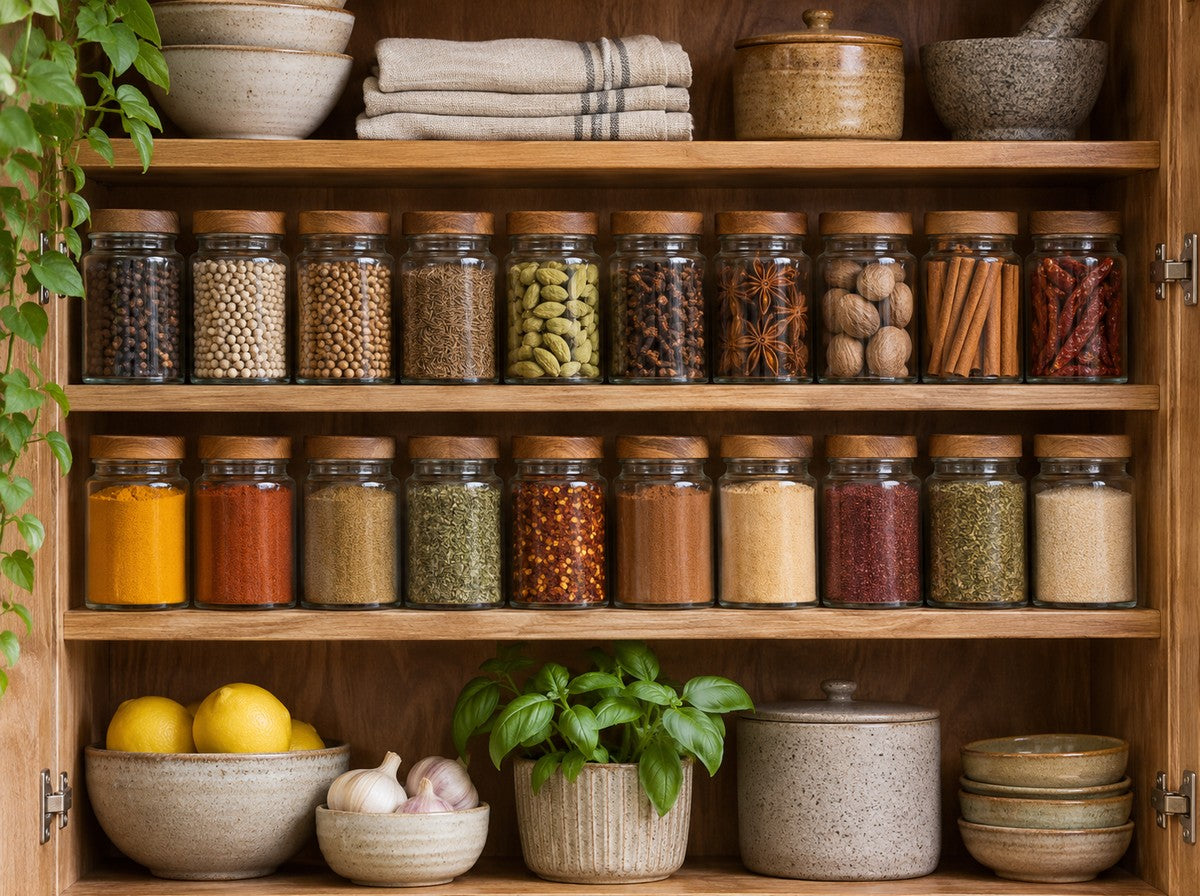

Spice Cabinet Organization: A Practical System That Works
Learn how to organize your spice cabinet with a practical system that keeps every jar findable and fresh. Temperature, layout, and audit tips included.
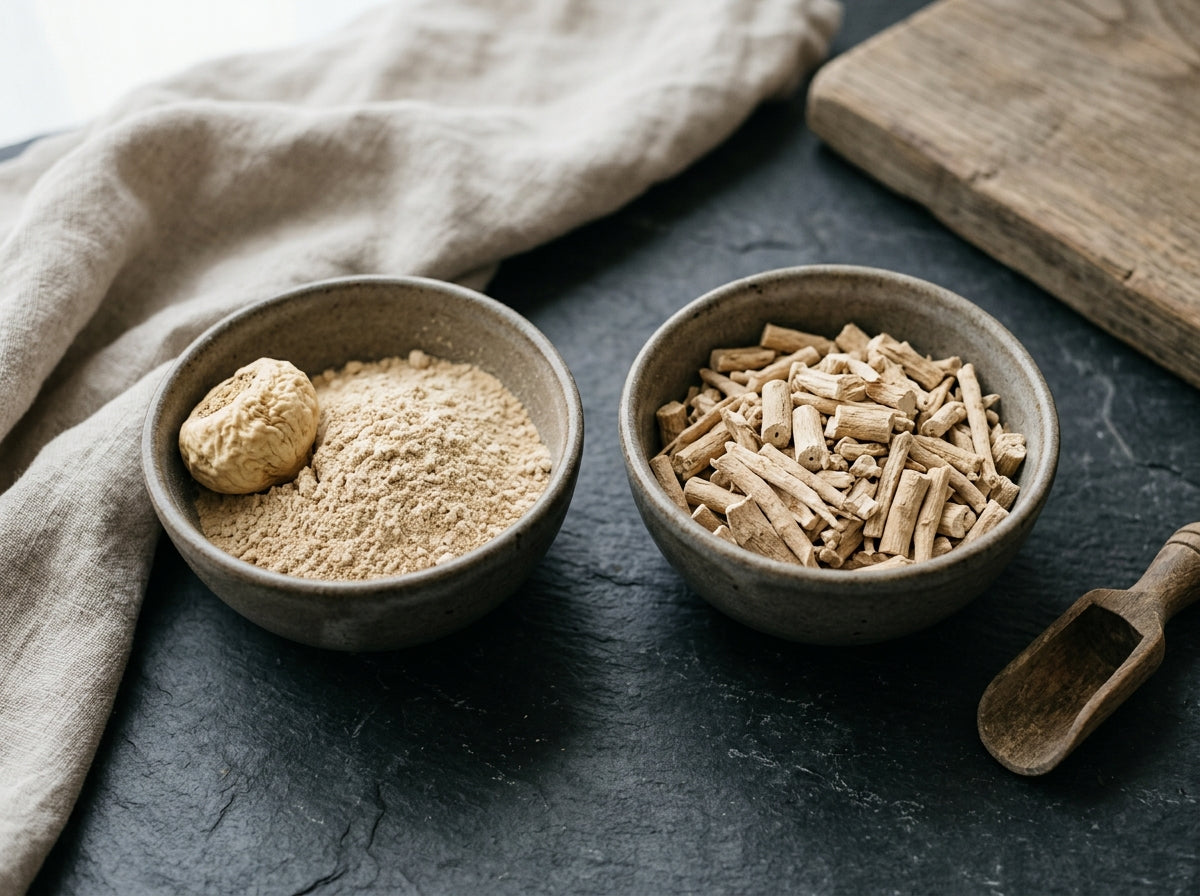

Maca or Ashwagandha for Your Daily Routine
Choosing between maca or ashwagandha? Learn how each root tastes, when to use them, and the best ways to prepare each in tea or drinks.

Wisdom is the path to better tea.
Get our free brewing guide: the right water, heat and timing for every tea we sell. You will also hear it first when new harvests arrive.
No spam. Unsubscribe any time.
Check your inbox.
The guide is on its way.