












USDA Organic Tea: What the Certification Really Means
USDA organic tea carries one of the most trusted labels in American grocery and specialty retail, but the seal covers more ground than most buyers realize. For tea, USDA Organic certification is not just about how the plant was grown: it covers farming practices, the processing facility that dries and packs the leaf, and every custody transfer along the supply chain.

We work with USDA-certified organic tea gardens and have watched customers assume the label means something it does not, usually purity or pesticide-free in an absolute sense. Understanding what USDA Organic actually guarantees, and what it leaves out, makes it easier to buy tea for the right reason.
What USDA Organic Certification Requires for Tea
USDA Organic certification requires that tea plants grow on land free of synthetic pesticides, herbicides, and synthetic fertilizers for at least three years before the first certified harvest, a transition-period rule set out in 7 CFR Part 205. Every facility that touches the leaf afterward, drying, sorting, blending, packing, must hold its own separate organic certification. One uncertified link anywhere in that chain breaks the claim for the whole batch.
The USDA's National Organic Program (NOP) sets the rulebook, but the USDA itself does not do the inspecting. Certification runs through USDA-accredited certifying agents, private and state bodies who conduct annual on-site audits of the farm, the processor, and often the exporter. They check input records, soil tests, and pest-management logs against the National List of allowed and prohibited substances.
A farm cannot simply declare itself organic. It has to pass that audit every year to keep the certificate current.
This is why a single tea garden can produce both organic and conventional lots side by side. It also explains why "made with organic tea" claims on a blended product need scrutiny: if the blending facility isn't certified, or a flavoring ingredient falls outside the approved list, the finished product cannot legally carry the USDA Organic seal even if the base leaf was grown organically.
USDA Organic vs EU Organic vs JAS Organic
USDA, EU, and Japanese JAS organic standards are broadly equivalent in intent, prohibiting synthetic pesticides and requiring audited chain-of-custody. However, they run on different rulebooks with different approved-substance lists and inspection cycles. The US holds formal organic equivalency arrangements with the EU (in place since 2012), Japan, Canada, South Korea, and other markets.
This means a farm certified under one system does not always have to run a second, fully separate certification process to sell into the other market. In practice, however, this rarely means one universal label. A tea garden that exports to both the US and EU typically still carries two logos, USDA Organic and the EU's green-leaf mark, because each market's retailers and customs paperwork expect their own seal.
We work with growers who maintain certification under more than one standard specifically because their tea sells into multiple markets, not because any single certification is stronger than another. For a US buyer, the practical takeaway is straightforward: a USDA Organic seal on tea grown overseas means the exporting farm passed a US-recognized audit, regardless of which other logos appear on the bag.
Does Organic Mean Better Tea
Organic certification is a statement about farming inputs, not a flavor guarantee. It confirms the tea was grown without synthetic pesticides and moved through audited, certified facilities. It says nothing about leaf grade, picking standard, or the skill applied during processing.
Some of the finest tea in the world comes from smallholder gardens in Yunnan, Fujian, or Darjeeling that farm organically in every practical sense but never pursue certification. Audit fees and paperwork are out of reach for a two-hectare family plot.
The "certified pure" framing on plenty of organic tea packaging overstates the science. Organic rules restrict what growers can apply, but they don't guarantee zero pesticide residue. Drift from a neighboring conventional farm is a real and documented risk, and certification says nothing about heavy metals or soil contaminants.
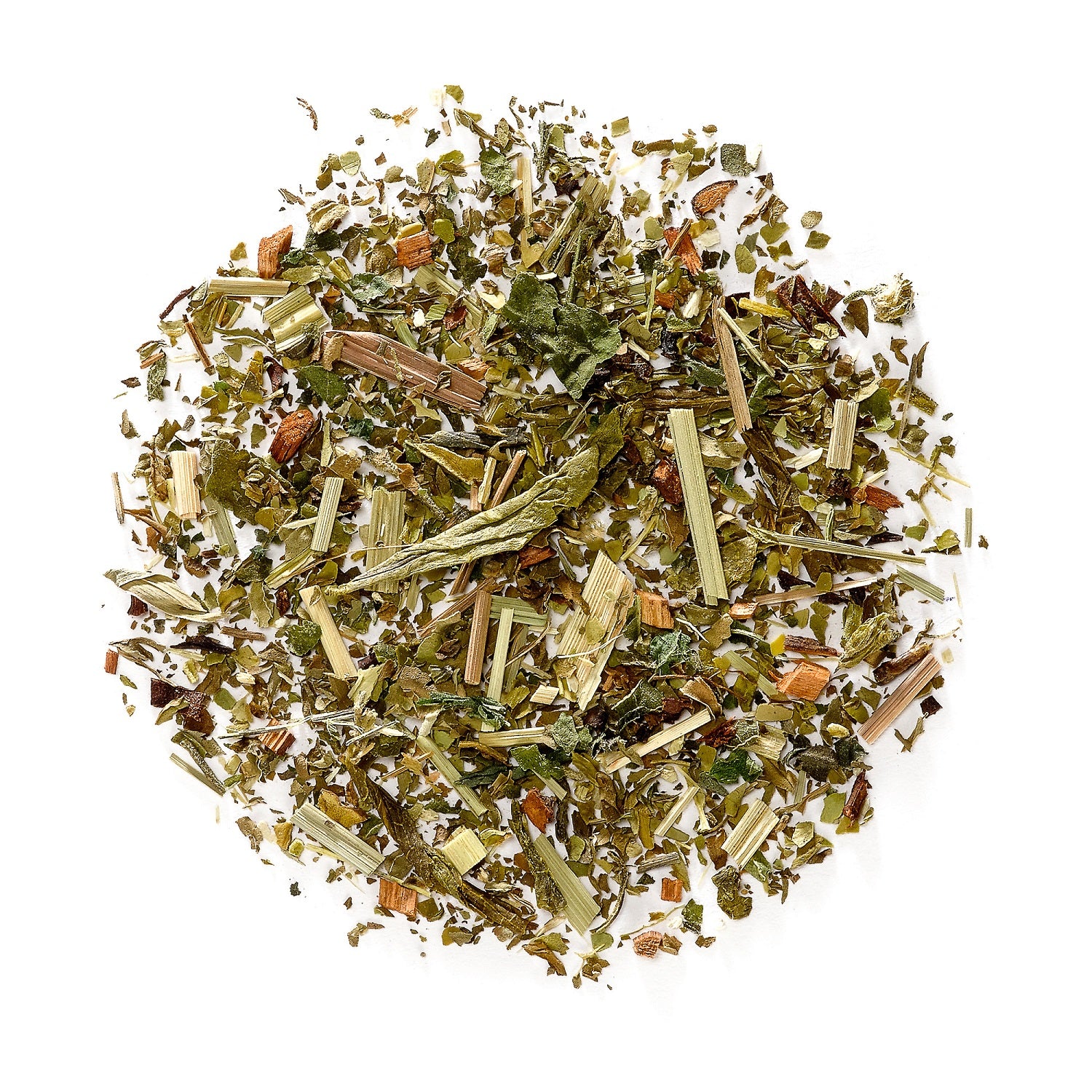
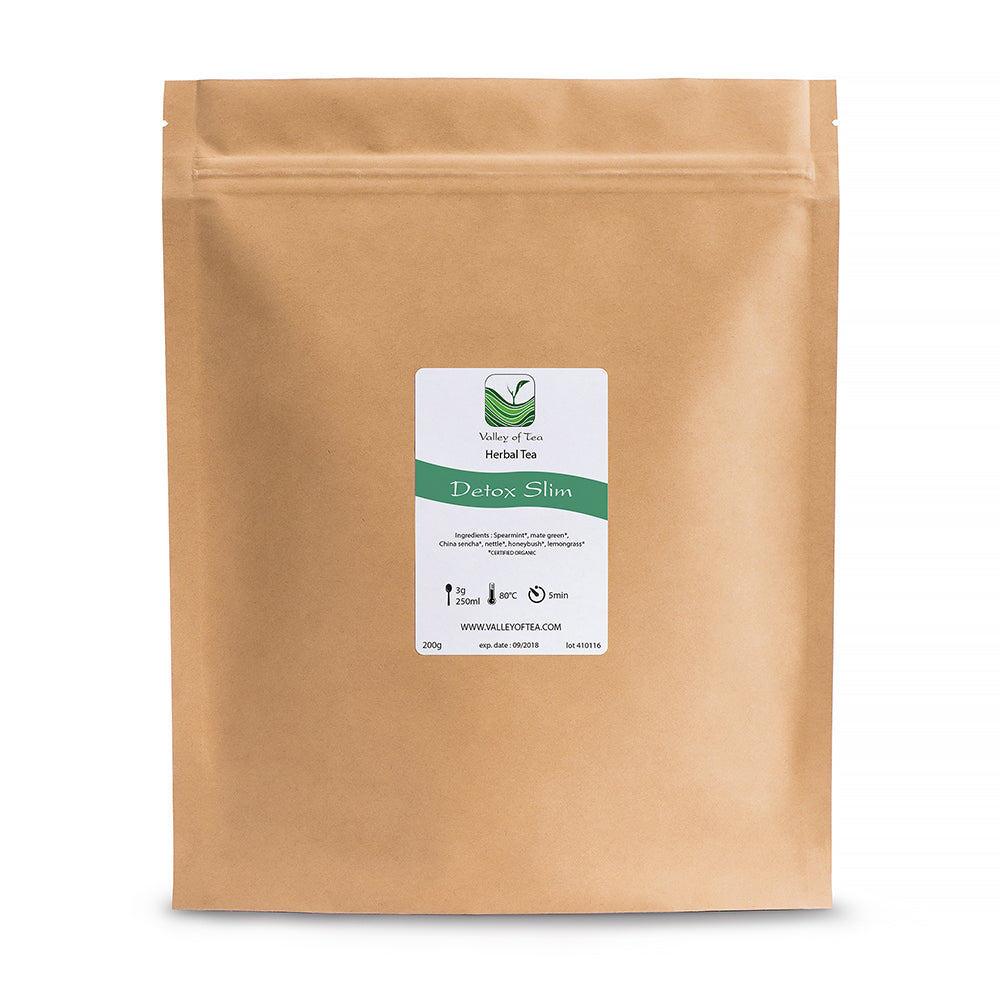
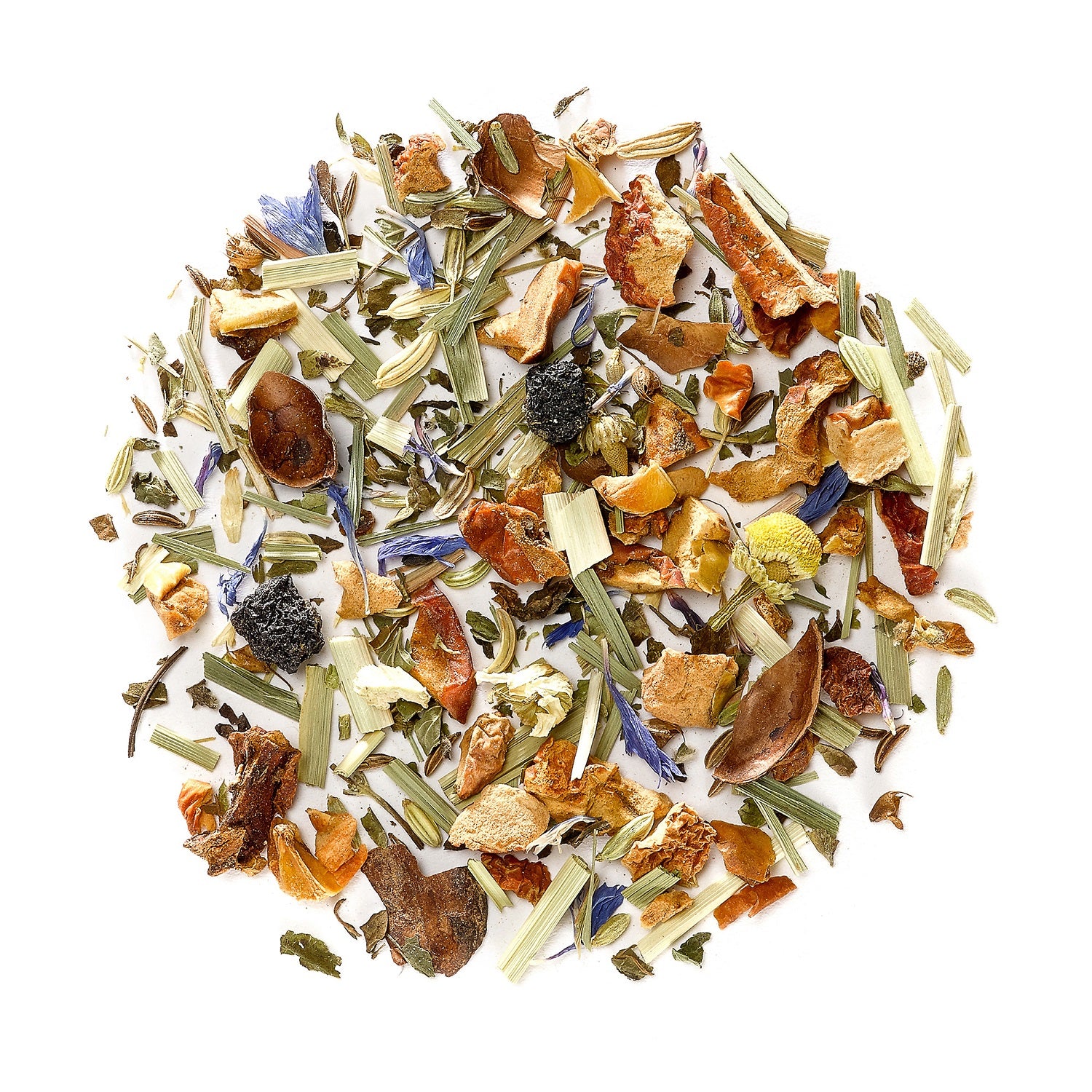
As we tell customers about our herbal stock, certification is what keeps non-food-grade material, dyes, and sulfur treatments out of a batch. It is a floor, not a purity seal.
Our approach is to treat organic certification and direct sourcing relationships as complementary, not interchangeable. Certification provides the paper trail; a known grower tells you everything the paperwork cannot.
Conclusion
USDA organic tea is a meaningful certification, not a marketing gimmick. It guarantees three years of pesticide-free land, audited processing facilities, and a documented chain of custody from garden to shelf.
What it does not guarantee is flavor, leaf grade, or absolute purity. Conflating the two leads to disappointed buyers and overpriced "certified pure" tea that tastes no better than an honest, uncertified alternative.
We carry USDA organic certified teas because the audit trail matters to a meaningful share of our customers. We pair it with direct-sourcing relationships built over years, because the certificate tells you how the tea was grown, and the relationship tells you whether it's any good. Start with the seal; don't stop there.
Leave a comment
Comments will be approved before showing up.
Also in Valley of Tea Blog | Tea Guides, Origins & Brewing Tips

Rooibos Iced Tea: Caffeine-Free Refresher
Learn to make rooibos iced tea two ways: hot-brewed over ice in 15 minutes, or a smoother overnight cold brew, plus flavour additions and storage tips.

Spice Cabinet Organization: A Practical System That Works
Learn how to organize your spice cabinet with a practical system that keeps every jar findable and fresh. Temperature, layout, and audit tips included.

Maca or Ashwagandha for Your Daily Routine
Choosing between maca or ashwagandha? Learn how each root tastes, when to use them, and the best ways to prepare each in tea or drinks.

Wisdom is the path to better tea.
Get our free brewing guide: the right water, heat and timing for every tea we sell. You will also hear it first when new harvests arrive.
No spam. Unsubscribe any time.
Check your inbox.
The guide is on its way.