












The Complete Guide to Herbal Tea
Herbal tea is not actually tea. It contains no Camellia sinensis — the plant that produces green, black, white, and oolong tea. What we call "herbal tea" is an infusion of dried herbs, flowers, roots, bark, seeds, spices, or fruits steeped in hot water. The technically correct term is tisane, though "herbal tea" is universally understood and widely preferred. The distinction matters because herbal teas are naturally caffeine-free (with rare exceptions like yerba mate and guayusa, which contain caffeine but are not from the tea plant), do not follow the same processing rules as true tea, and offer an entirely different range of flavors and aromas.

Valley of Tea carries over 200 herbal products — from single-ingredient chamomile and peppermint to complex multi-herb blends. This guide covers what herbal tea is, the major categories organized by plant part, the most popular individual herbals and what they taste like, how to brew and blend them, and how to buy quality.
What Is Herbal Tea

Herbal tea is any hot water infusion made from plants other than Camellia sinensis. The plant material can be fresh or dried, and it can come from virtually any part of a plant — leaves, flowers, roots, bark, seeds, or fruit. Some herbal teas use a single ingredient (chamomile flowers, peppermint leaves). Others blend multiple plants for flavor complexity or to follow traditional recipes.
The key differences from true tea:
No caffeine (in most cases). Camellia sinensis contains caffeine as a natural insecticide. Most other plants do not. This makes herbal tea a common choice for evening drinking and for anyone avoiding caffeine. Notable exceptions: yerba mate (from Ilex paraguariensis) and guayusa contain caffeine, and cacao husk tea contains theobromine. No oxidation processing. True tea categories (green, oolong, black) are defined by oxidation levels. Herbal teas are simply dried and sometimes cut or crushed. There is no withering, rolling, or firing step. The processing is closer to drying herbs for cooking than to tea manufacturing. Longer steeping tolerance. Most herbal teas can steep for 5-15 minutes without becoming bitter. True teas (especially green) become harsh with over-steeping because of tannin extraction. Herbal teas contain far fewer tannins, making them forgiving to brew. Enormous variety. Thousands of plants have been used to make infusions across human history. The range dwarfs the six categories of true tea. Every culture has its own herbal tea tradition — rooibos in South Africa, hibiscus in Egypt and Mexico, mate in Argentina, chrysanthemum in China, linden in France, chamomile across Europe.Types of Herbal Tea by Plant Part

Understanding which part of the plant is used helps predict flavor, brewing requirements, and steeping time.
Leaf Teas
Peppermint, spearmint, lemon balm, nettle, raspberry leaf, lemon verbena, moringa, guayusa, and yerba mate. Leaf-based herbals tend to brew quickly (3-5 minutes), produce a lighter body, and offer clean, green, or minty flavors. They are the most straightforward to brew — treat them like a mild green tea in terms of steeping approach.
Flower Teas
Chamomile, hibiscus, rose, chrysanthemum, lavender, elderflower, jasmine (as standalone, not scented on tea), butterfly pea flower, calendula, and cornflower. Flower teas are typically delicate, fragrant, and visually beautiful. Some (hibiscus) produce intense color and tart flavor. Others (chamomile, chrysanthemum) are gentle and mellow. Brew at full boiling for 5-7 minutes to extract flavor from the dense flower heads.
Root and Bark Teas
Ginger, turmeric, licorice root, dandelion root, valerian root, chicory root, cinnamon bark, and slippery elm. Root and bark infusions are the most robust herbal teas — thick, earthy, and sometimes intensely flavored. They require the longest steeping (7-15 minutes) or even simmering to fully extract. Ginger and turmeric are best when sliced fresh and simmered for 10-15 minutes. Dried roots can be steeped but produce a milder result.
Seed and Spice Teas
Fennel, anise, cardamom, cumin, fenugreek, caraway, coriander, and black pepper. Seed-based infusions are common in Middle Eastern and South Asian traditions. They tend to be warming, aromatic, and slightly sweet or spicy. Lightly crush seeds before steeping to release their essential oils. Brewing time: 5-10 minutes.
Fruit Teas
Apple, rosehip, hibiscus, berry blends, citrus peel, and dried tropical fruits. Fruit-based herbal teas are naturally sweet, colorful, and popular served cold. They are technically tisanes but marketed as "fruit tea" in most retail contexts. Hibiscus-heavy blends produce a deep ruby-red, tart cup similar to cranberry juice. Apple and berry blends lean sweeter and milder. These are the most accessible herbal teas for people who do not typically drink tea.
Popular Herbal Teas and What They Taste Like

Chamomile
The most consumed herbal tea worldwide. Made from the dried flower heads of Matricaria chamomilla (German chamomile) or Chamaemelum nobile (Roman chamomile). German chamomile is the standard for tea — apple-like sweetness, gentle floral notes, a honey-gold liquor, and a soft, rounded body. The name "chamomile" derives from the Greek for "ground apple," which describes the aroma well.
Egyptian chamomile is a well-regarded origin — the flower heads are larger, more aromatic, and produce a richer cup. Croatian and German chamomile are also well-regarded. Valley of Tea sources organic chamomile for clean, bright flavor without pesticide residue.
Peppermint
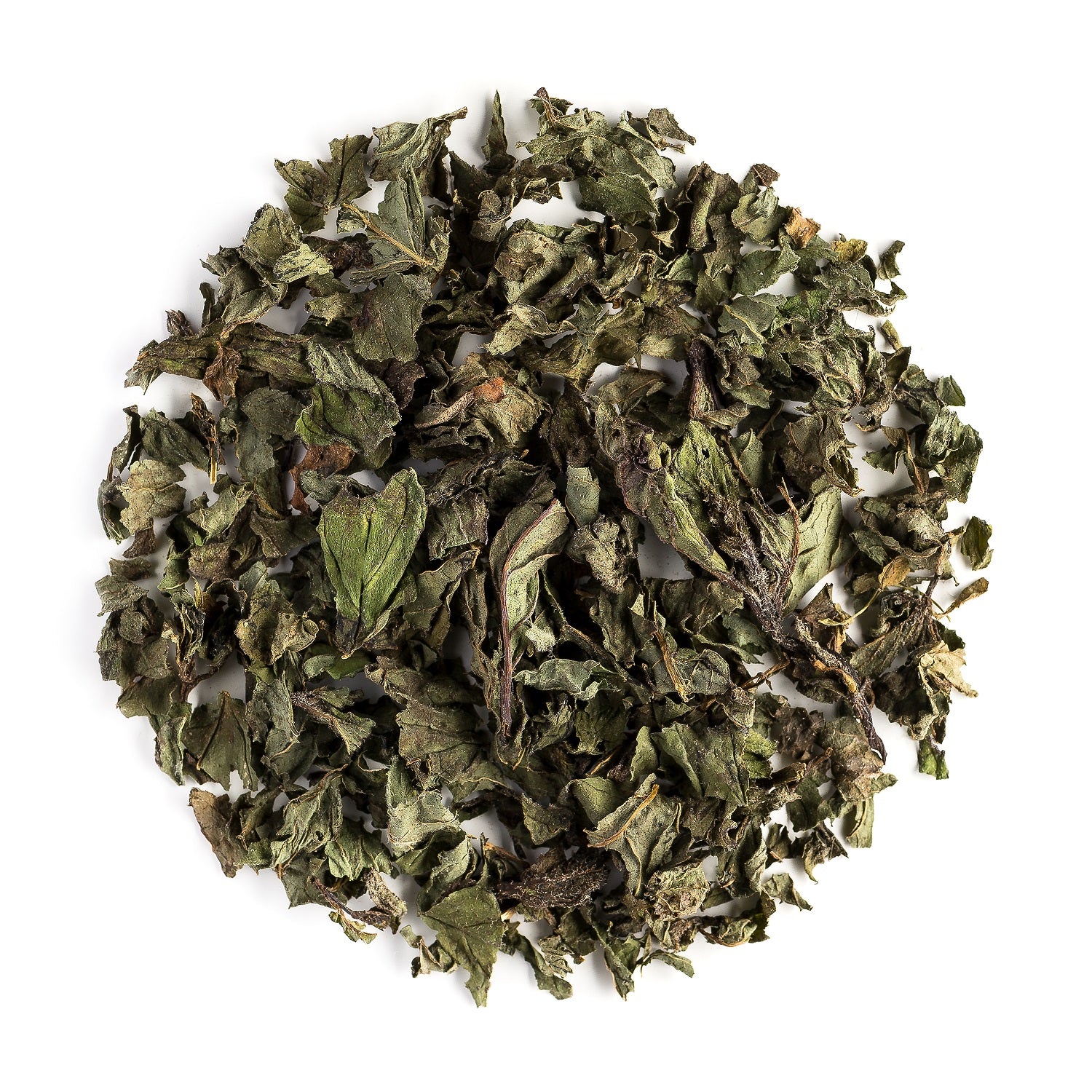
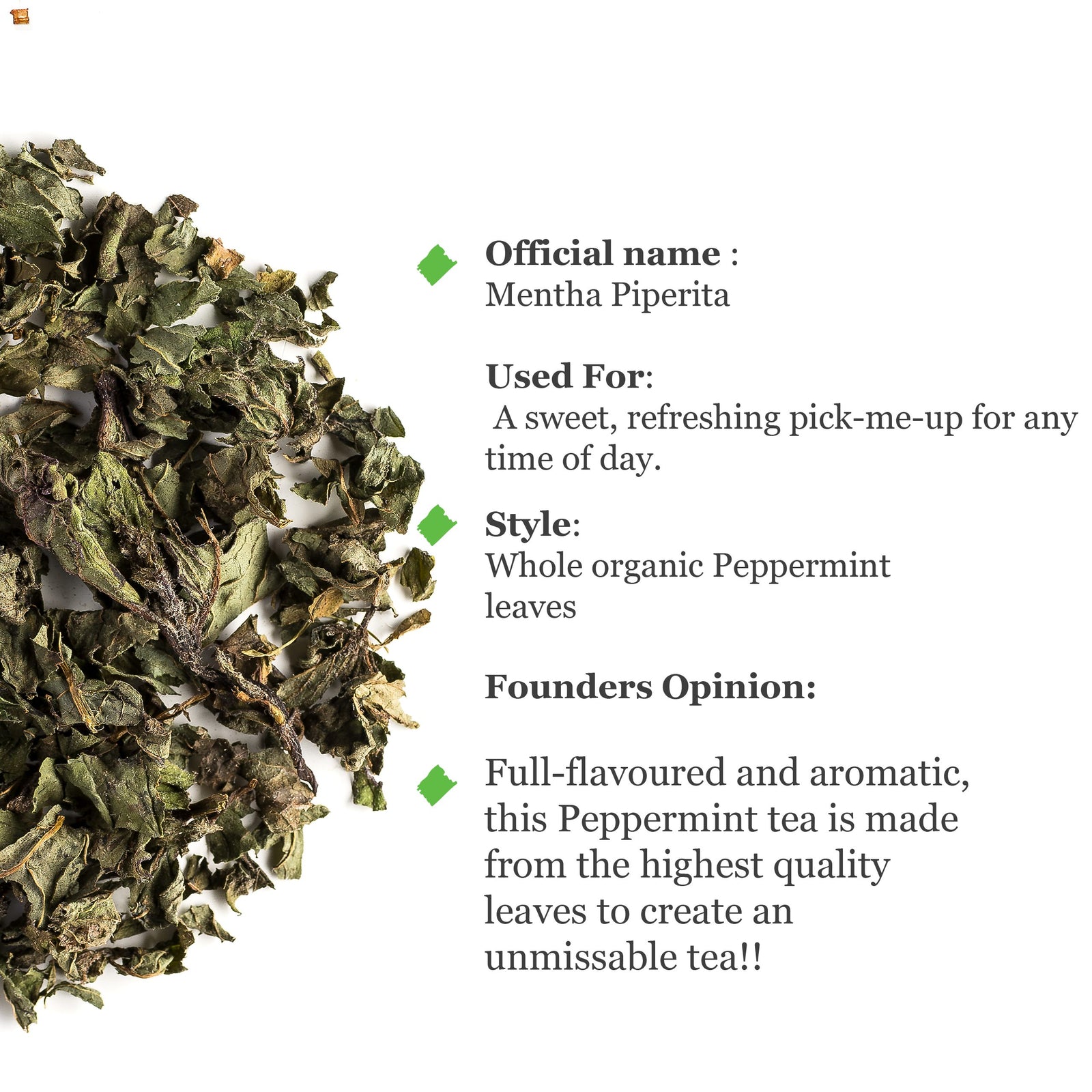
Brisk, cooling, and intensely aromatic. Peppermint (Mentha × piperita) produces a clean, menthol-forward cup that refreshes the palate. The cooling sensation comes from menthol, which activates cold receptors on the tongue without actually changing temperature. Quality peppermint tea uses whole or large-cut leaves — the more intact the leaf, the cleaner the brew. Dust and small particles produce a harsher, more tannic cup.
Spearmint is peppermint's gentler cousin — sweet, mild, and less cooling. It works better in blends where peppermint would dominate.
Hibiscus
Deep ruby-red, tart, and fruity. Hibiscus (Hibiscus sabdariffa) produces a visually striking herbal infusion — the color is intense and the flavor is bold enough to stand alone or serve as a base for blends. The tartness comes from organic acids (citric, malic, tartaric) — similar to cranberry. Excellent iced.
Hibiscus is a staple in Egyptian, Mexican, West African, and Caribbean beverage traditions — known as karkade in Egypt, agua de jamaica in Mexico, and bissap in West Africa. Each culture prepares it differently: hot, cold, sweetened, spiced, or mixed with other herbs.
Ginger
Spicy, warming, and sharp. Ginger tea (Zingiber officinale) uses either fresh sliced root or dried ginger pieces. Fresh ginger produces a brighter, more pungent cup. Dried ginger is mellower and more concentrated. The heat comes from gingerols (in fresh ginger) and shogaols (in dried), which give the cup its peppery, lingering warmth on the palate.
Ginger blends well with lemon, honey, turmeric, and cinnamon. It is the base ingredient in many warming winter blends.
Rooibos
From South Africa, rooibos (Aspalathus linearis) is sweet, nutty, and naturally caffeine-free. It brews a reddish-amber cup with vanilla and honey notes. Rooibos is covered in detail in its own guide, but it deserves mention here because it is one of the most popular herbal teas globally and serves as a versatile caffeine-free base for flavored blends.
Lemon Balm
Gentle, lemony, and fragrant. Lemon balm (Melissa officinalis) is a member of the mint family with a light citrus aroma. The flavor is mild — more suggestion of lemon than actual lemon intensity. It blends well with chamomile, lavender, and mint. A pleasant herbal tea for evening drinking.
Other Notable Herbals
Nettle — earthy, green, and slightly mineral. A long-standing ingredient in European herbal infusions. Dandelion root — roasted dandelion root tastes similar to coffee, making it a popular caffeine-free coffee substitute. Valerian root — earthy, pungent, and an acquired taste. Traditionally drunk in the evening. Licorice root — naturally sweet (50 times sweeter than sugar by weight), often used to sweeten blends without adding sugar. Echinacea — mild, slightly floral, and herbaceous. Elderflower — delicate, floral, and honey-like, used extensively in European cordials and infusions.How to Brew Herbal Tea

Herbal teas are the most forgiving category to brew. Unlike green or white tea, most herbals can handle boiling water and long steeping without becoming bitter.
General guidelines:- Water temperature: 100°C (full boiling) for most herbals. Delicate flowers (chamomile, elderflower) can be brewed at 90-95°C for a softer result.
- Quantity: 1-2 tablespoons of dried herbs per 250ml of water. Herbal teas are often lighter than true tea leaves, so volume matters more than weight.
- Steeping time: 5-10 minutes for leaves and flowers. 10-15 minutes for roots, bark, and seeds. Longer steeping extracts more flavor without the bitterness penalty that true tea carries.
- Cover while steeping. Many herbal teas contain volatile aromatic compounds that escape as steam. Covering the cup or pot keeps these compounds in the water rather than in the air.
Blending Your Own Herbal Tea

Herbal tea blending is straightforward once you understand flavor categories. Most successful blends combine ingredients from three roles:
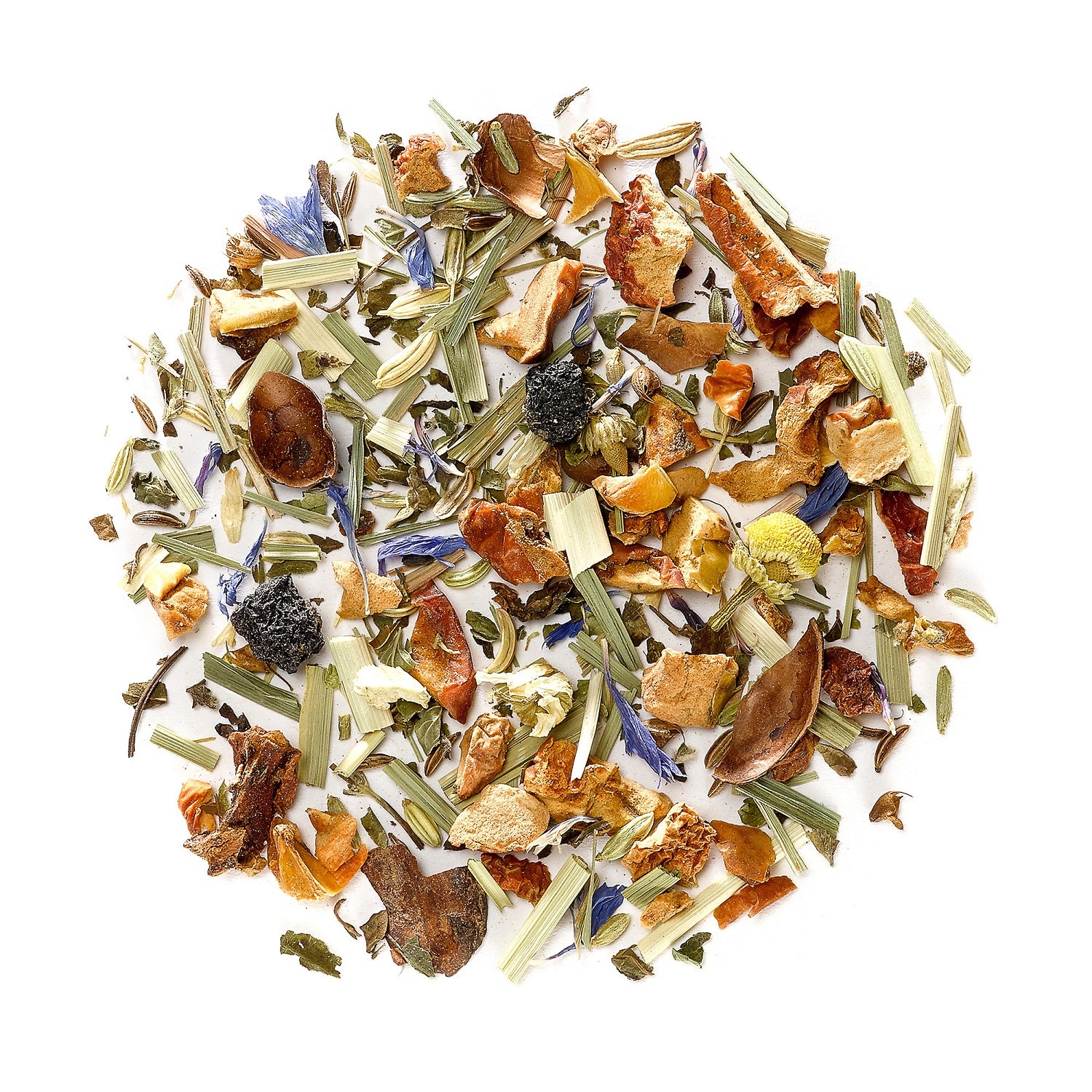
Base — the dominant flavor and body. Examples: chamomile, rooibos, peppermint, hibiscus, lemongrass. This is 50-70% of the blend. Accent — adds complexity and interest. Examples: lavender, rose petals, cinnamon, cardamom, ginger, lemon peel. This is 20-30% of the blend. Top note — a small amount of something bright or distinctive that lifts the whole blend. Examples: a pinch of black pepper, a few dried berries, citrus zest, vanilla bean pieces, a single star anise. This is 5-15% of the blend. Classic combinations:- Chamomile + lavender + honey (floral evening blend)
- Peppermint + lemon balm + licorice root (sweet mint blend)
- Hibiscus + rosehip + orange peel (tart fruit blend)
- Ginger + turmeric + black pepper + cinnamon (warming spice blend)
- Rooibos + vanilla + cinnamon (caffeine-free vanilla spice blend)
Herbal Tea and Caffeine

Most herbal teas contain zero caffeine. This is the main practical difference from true tea and coffee. The exceptions are worth knowing:
Yerba mate (Ilex paraguariensis) contains 70-85mg of caffeine per cup — comparable to coffee. It also contains theobromine and theophylline. Popular in Argentina, Uruguay, Paraguay, and Brazil. Guayusa (Ilex guayusa) is a close relative of yerba mate, from Ecuador. Similar caffeine content (60-90mg per cup) with a smoother, less bitter taste. Cacao husk tea contains theobromine (a compound chemically related to caffeine) rather than caffeine itself. Everything else — chamomile, peppermint, rooibos, hibiscus, ginger, all flower and fruit teas — is caffeine-free. This makes herbal tea a common choice for evening drinking. During pregnancy, check specific herbs with your doctor, and for children, choose mild, familiar herbs like chamomile or fruit blends.Herbal Tea Around the World
Every culture has developed its own herbal tea traditions based on locally available plants.
North Africa and Middle East: Mint tea is central to social life in Morocco, Tunisia, and beyond — traditionally made with gunpowder green tea and fresh spearmint, heavily sweetened. In Egypt, karkade (hibiscus) is served hot in winter and cold in summer. Sage tea is common in the Levant. East Asia: Chrysanthemum tea is a Chinese staple — light, sweet, and floral. Barley tea (mugicha/boricha) is the default cold drink in Japan and Korea. Ginger and jujube date teas are traditional in Chinese and Korean cuisine. South America: Yerba mate is consumed daily by millions in Argentina, Uruguay, and southern Brazil — shared from a communal gourd with a metal straw (bombilla). It is a social custom as much as a drink. Europe: Linden (tilleul) tea is France's traditional evening drink. Chamomile is the default herbal tea across Germany, Austria, and the Netherlands. Elderflower is used extensively in Central and Northern Europe. South Africa: Rooibos is the national beverage — consumed plain, with milk, or as a base for countless blends. India: Tulsi (holy basil) tea is widely consumed for its peppery, clove-like flavor. Ginger and turmeric preparations are kitchen staples.How to Store Herbal Tea
Herbal teas follow the same storage principles as true tea: keep away from light, heat, moisture, air, and strong odors. Airtight opaque containers (tins, foil-lined bags) in a cool, dark cupboard are ideal.
Shelf life is generally 1-2 years for dried herbs and flowers. Roots and bark last longer — 2-3 years when properly stored. Signs of degradation: faded color, weak aroma, and flat flavor. If a chamomile tea smells like dry paper instead of apple and honey, it has passed its prime.
Whole herbs and flowers last longer than cut or crushed versions because less surface area is exposed to air. If you buy in bulk, store the main supply sealed and keep a smaller working quantity in a separate container that you open regularly.
How to Buy Quality Herbal Tea
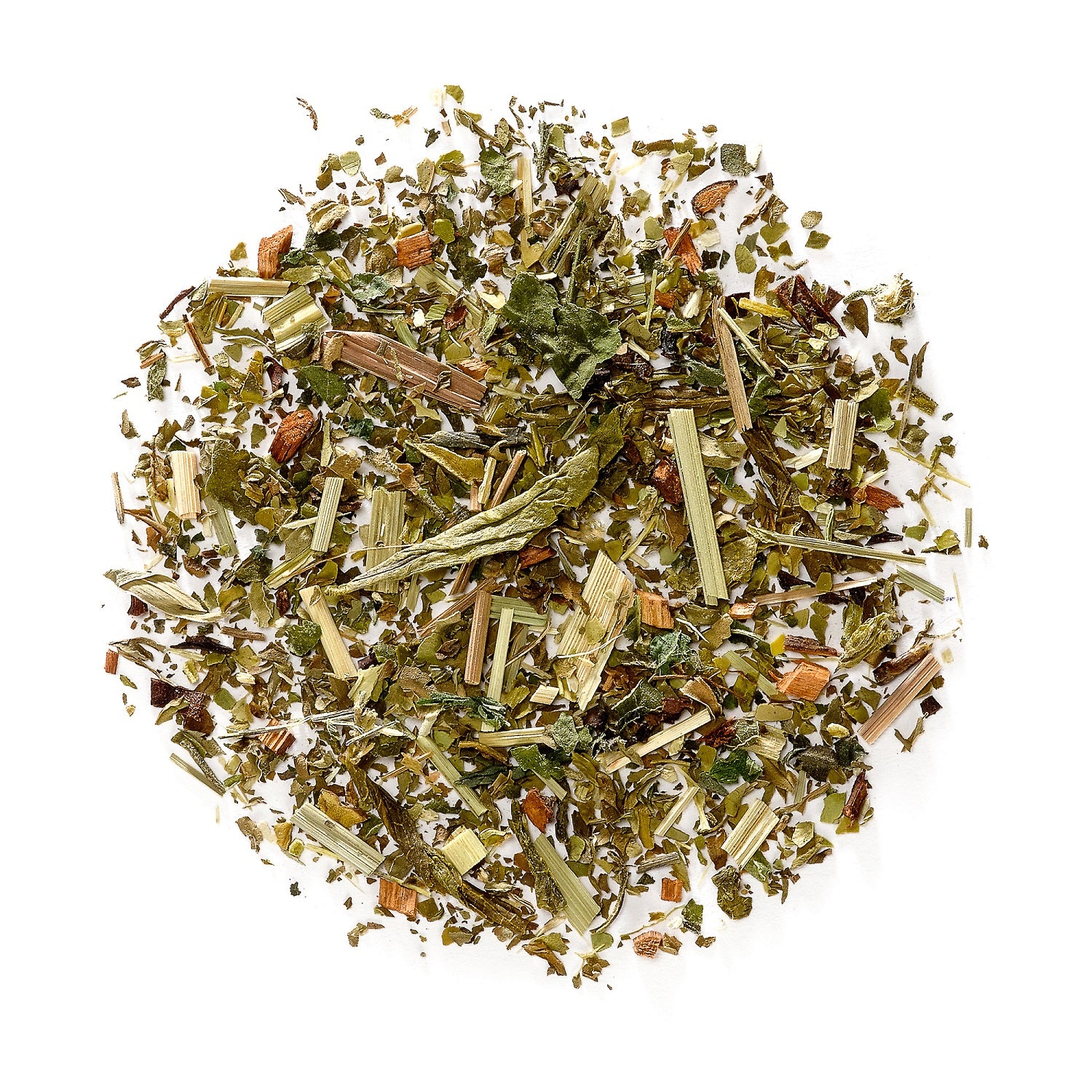
Whole ingredients over dust. Quality chamomile tea should contain recognizable flower heads, not ground powder. Quality peppermint should have large, intact leaf pieces. Whole ingredients look better, taste better, and last longer. If you cannot identify the plant material in your herbal tea, the quality is likely low. Single-origin when possible. Egyptian chamomile is demonstrably different from Argentine chamomile. Moroccan peppermint differs from American peppermint. Knowing the origin helps set expectations and indicates a vendor who pays attention to sourcing. Organic certification matters more for herbals. Many herbs are grown with pesticides that persist through drying. Because you steep (and sometimes simmer) herbal teas for longer than true tea, more of any residual compounds extract into your cup. Certified organic herbal tea gives you cleaner product and peace of mind. Aroma test. Crush a small piece between your fingers. Quality dried herbs should release a strong, clear aroma — mint should smell intensely minty, chamomile should smell like apple and honey, ginger should smell sharply spicy. Weak aroma means weak flavor. Avoid artificial flavoring. Some "herbal tea" blends use natural or artificial flavorings to compensate for low-quality base ingredients. The ingredients list should contain plant names, not "natural flavoring" or "aroma." Quality herbal tea gets its flavor from the plants themselves.Frequently Asked Questions About Herbal Tea
Is herbal tea really tea? Botanically, no — it contains no Camellia sinensis. But the term "herbal tea" is universally understood and legally accepted in most markets. The formal term is "tisane" or "herbal infusion." Is herbal tea safe during pregnancy? Some herbal teas (ginger in moderation, peppermint, rooibos) are commonly drunk during pregnancy, though it is best to ask your doctor or midwife first. Others should be avoided (licorice root in quantity, valerian, certain traditional herbs). Always check specific herbs against current medical guidance. Can children drink herbal tea? Yes — mild herbals like chamomile, fruit blends, and rooibos are common choices for children. Avoid caffeine-containing exceptions (mate, guayusa) and strongly flavored herbs. Serve at a safe drinking temperature. How much herbal tea can you drink per day? Most single-ingredient herbal teas are commonly drunk at 3-5 cups per day. For licorice root and valerian, keep to 1-2 cups a day, and ask your doctor if you are pregnant or take medication. For everyday drinking — chamomile, peppermint, rooibos, fruit blends — several cups a day is typical. Does herbal tea expire? It does not become unsafe, but it loses flavor and aroma over time. Most dried herbal teas are best within 1-2 years of production. Roots and bark last slightly longer than flowers and leaves.The World in Your Cup
Herbal tea is a highly diverse beverage category. Every continent, every culture, and nearly every ecosystem has produced plants that people steep in hot water. The range — from the cooling menthol of peppermint to the warming fire of ginger, from the delicate sweetness of chamomile to the bold tartness of hibiscus — makes herbal tea endlessly explorable.
Start with a single herb that appeals to you. Learn its character across different brewing parameters (temperature, time, quantity). Then branch into blends — combining a base, an accent, and a top note to create something that is uniquely yours. The ingredients are simple, the technique is forgiving, and the possibilities are limited only by what grows in the ground.
Related Articles
Laat een reactie achter
Reacties worden goedgekeurd voor ze verschijnen.
I18n Error: Missing interpolation value "titel" for "Ook in {{ titel }}"
The Complete Guide to Drinking Tea
What tea is, how the main types differ in the cup, and how to brew each one properly. Water temperature, steeping times, storage and how to get more than one cup from your leaves.
Lees Meer

Black Tea: Types, Processing, and How to Brew It
Black tea is fully oxidized Camellia sinensis. Compare Assam, Darjeeling, Keemun, and Ceylon varieties. Learn processing, brewing, and caffeine levels.

How To Grow Black Tea
Learn how to grow black tea at home: soil, climate, and the five processing steps from fresh leaf to a finished cup of black tea.

Wijsheid is de weg naar betere thee.
Ontvang onze gratis zetgids: het juiste water, de juiste temperatuur en de juiste trektijd voor elke thee die we verkopen. U hoort ook als eerste wanneer nieuwe oogsten binnenkomen.
Geen spam. U kunt zich altijd uitschrijven.
Kijk in uw inbox.
De gids is onderweg.