













How To Make Lavender Tea
Lavender tea is one of the simplest herbal teas you can make, but it is also one of the easiest to get wrong. Use too much and it tastes like soap. Use too little and you get faintly scented hot water. The difference between a bad cup and a genuinely good one comes down to measurements, water temperature, and steep time. This guide covers the practical details for every way to make lavender tea — hot, iced, blended with chamomile, and as a latte — so you get a clean, floral cup every time.

At Valley of Tea, we have been sourcing and tasting teas for over fifteen years. This guide draws on that experience.
What You Need

Dried lavender buds. Culinary-grade dried lavender is what you want. The two most common species are Lavandula angustifolia (English lavender) and Lavandula x intermedia (lavandin). English lavender has a sweeter, more delicate flavor and is the better choice for tea. Lavandin is more camphor-heavy and medicinal.
Look for whole, intact buds with a deep purple color. If the buds are grey or crumbling to dust, they are too old. Only Lavandula angustifolia holds FDA GRAS (Generally Recognized As Safe) status for food use — always check the botanical name on the label and buy from a food-safe supplier. (National Center for Complementary and Integrative Health — Lavender)
Water. Freshly drawn, filtered water. Lavender is a delicate herb, and heavily chlorinated or mineral-heavy tap water will compete with the floral notes.
A way to heat water. A temperature-controlled kettle is ideal because lavender does best below boiling. A standard kettle works too — just let it sit for a minute after boiling.
Something to brew in. A teapot with a built-in strainer, a mug with an infuser basket, or a French press. Lavender buds are small, so use a fine-mesh infuser to keep them out of your cup.
A measuring spoon. Precision matters more with lavender than with most herbal teas. The margin between "pleasant" and "overpowering" is narrow.
Basic Hot Lavender Tea

This is the foundation method. Master this and everything else is a variation.
- Measure 1 to 2 teaspoons of dried lavender buds per 250 ml (one cup) of water. Start with 1 teaspoon if this is your first time. Lavender is potent and you can always increase next time.
- Heat your water to 90 to 95 degrees C (194 to 203 degrees F). This is just below boiling. If you do not have a temperature-controlled kettle, bring water to a full boil and then let it rest for 60 to 90 seconds.
- Place the lavender buds in your infuser or teapot.
- Pour the hot water over the buds.
- Steep for 4 to 5 minutes. Four minutes gives a lighter, more subtle cup. Five minutes gives a fuller flavor with more pronounced floral notes. Do not go beyond 6 minutes — over-steeping lavender releases bitter compounds that make the tea taste harsh.
- Remove the infuser or strain out the buds immediately.
- Drink plain, or add a small drizzle of honey. A thin slice of lemon also works well.
The reason for staying below boiling is that excessively hot water scorches the volatile oils in lavender, producing a flat, slightly bitter result. Keeping the temperature in the 90 to 95 degree range preserves the aromatic compounds that give lavender tea its character.
Lavender-Chamomile Blend

Lavender and chamomile work well together. Chamomile adds a mild, apple-like sweetness that rounds out lavender's sharper floral edge. At Valley of Tea, we carry German chamomile separately, and many customers combine it with dried lavender buds at home — we recommend the same. I reach for this blend in the evening; the chamomile softens the whole cup and makes it easier to drink slowly.
- Measure 1 teaspoon of dried lavender buds and 1 tablespoon of dried chamomile flowers per 250 ml of water. That is roughly a 3:1 or 4:1 ratio of chamomile to lavender — mostly chamomile with a pinch of lavender. Chamomile is milder, so it needs a higher ratio to hold its own alongside lavender.
- Heat water to 90 to 95 degrees C.
- Combine both herbs in your infuser or teapot.
- Pour the hot water over the blend.
- Steep for 5 minutes. Chamomile can handle slightly longer steeping than lavender alone, but 5 minutes is the sweet spot for the blend.
- Strain and serve.
You can adjust the ratio to your preference. If you find the lavender still dominates, reduce it to three-quarters of a teaspoon and keep the chamomile at one tablespoon. If you want more lavender presence, increase to one and a quarter teaspoons. Small changes make a noticeable difference.
For a touch of sweetness, stir in half a teaspoon of honey. Avoid sugar here — honey complements both herbs better than refined sugar does.
Lavender Latte

A lavender latte works as a caffeine-free alternative to a standard coffee latte. The key is making a concentrated lavender base and combining it with frothed milk.
- Make a lavender concentrate: steep 2 teaspoons of dried lavender buds in 125 ml of water at 90 to 95 degrees C for 5 minutes. This is double the normal strength because the milk will dilute it.
- Strain the buds completely. Any stray buds in the latte will be unpleasant to drink.
- Heat 175 ml of milk (dairy or plant-based) until steaming. Oat milk works exceptionally well — its natural sweetness pairs with lavender and it froths easily. Whole milk gives a richer, creamier result.
- Froth the milk using a milk frother, French press (pump the plunger up and down rapidly for 30 seconds), or a small whisk.
- Pour the lavender concentrate into a mug.
- Add 1 to 2 teaspoons of honey and stir until dissolved.
- Pour the frothed milk over the lavender base.
The honey is important here. Without sweetener, a lavender latte can taste flat because the milk mutes the floral notes. The honey bridges the gap and brings the lavender flavor forward.
If you want a version with caffeine, replace the lavender concentrate with a shot of espresso and add 1 teaspoon of lavender buds to the milk while heating it. Strain the milk before frothing. A light green tea like our Gyokuro also works as a lower-caffeine base that pairs well with floral notes.
Iced Lavender Tea

Iced lavender tea is refreshing in warm weather and straightforward to make. There are two methods.
Quick method (hot brew over ice)
- Brew a double-strength lavender tea: 2 teaspoons of buds per 125 ml of water at 90 to 95 degrees C. Steep for 4 minutes.
- Strain the buds.
- Pour the hot concentrate directly over a tall glass filled with ice. The ice melts and dilutes the concentrate to proper drinking strength.
- Add a squeeze of fresh lemon juice and a teaspoon of honey if desired.
- Stir and serve.
Cold brew method (smoother, more subtle)
- Add 2 teaspoons of dried lavender buds per 500 ml of cold or room-temperature filtered water in a jar or pitcher.
- Cover and refrigerate for 6 to 8 hours. Overnight works perfectly.
- Strain out the buds.
- Serve over ice. Add lemon and honey to taste.
Cold-brewed lavender tea has a softer, less intense profile than hot-brewed. It brings out more of the sweet, floral side and less of the herbal, camphor-like notes. If you find hot lavender tea too strong for your taste, cold brewing may be the method for you.
Common Mistakes

Using too much lavender. This is the most common error by far. Lavender contains linalool and linalyl acetate — aromatic compounds that in small amounts produce a pleasant floral flavor, but in larger amounts create a soapy, perfume-like taste that is genuinely unpleasant. Research published in Molecules confirms linalool is non-toxic and well-tolerated, but the sensory threshold is low: stick to 1 to 2 teaspoons per cup. (PMC — Lavender and the Nervous System)
Steeping too long. Over-steeping extracts tannins and bitter compounds. Four to five minutes is the target. Setting a timer is not overkill — it is practical.
Using boiling water. Pouring 100 degrees C water directly on lavender buds damages the delicate volatile oils and produces a flat, harsh cup. Let the water cool to 90 to 95 degrees C first.
Using the wrong type of lavender. Not all lavender is food-safe. Ornamental lavender may have been treated with pesticides or other chemicals not intended for consumption. Always buy culinary-grade lavender explicitly labeled for food use. As noted above, only Lavandula angustifolia carries FDA GRAS status — ornamental varieties such as Lavandula stoechas can contain 15–20% camphor and should not be used for tea.
Adding too much sweetener. Lavender has a natural subtle sweetness. A heavy pour of honey or sugar buries the floral notes under sweetness. Add a small amount, taste, and adjust.
Not straining thoroughly. Leaving buds in the cup means the tea continues steeping while you drink it. The last few sips will taste noticeably more bitter and intense than the first. Always remove the buds completely after steeping.
Quick Reference

| Method | Lavender | Water | Temperature | Steep Time |
|---|---|---|---|---|
| Basic hot tea | 1-2 tsp | 250 ml | 90-95 degrees C | 4-5 min |
| Lavender-chamomile | 1 tsp lavender + 1 tbsp chamomile | 250 ml | 90-95 degrees C | 5 min |
| Lavender latte (concentrate) | 2 tsp | 125 ml | 90-95 degrees C | 5 min |
| Iced (hot brew method) | 2 tsp | 125 ml over ice | 90-95 degrees C | 4 min |
| Cold brew | 2 tsp | 500 ml cold water | Refrigerator | 6-8 hours |
Lavender tea rewards restraint. Keep the measurements accurate, the water temperature right, and the steep time controlled. The result is a clean, floral, calming cup that works as well before bed as it does on a warm afternoon. If you enjoy floral herbal teas, our Jasmine Pearls and German Chamomile are worth exploring alongside lavender.
Laat een reactie achter
Reacties worden goedgekeurd voor ze verschijnen.
I18n Error: Missing interpolation value "titel" for "Ook in {{ titel }}"
The Complete Guide to Drinking Tea
What tea is, how the main types differ in the cup, and how to brew each one properly. Water temperature, steeping times, storage and how to get more than one cup from your leaves.
Lees Meer
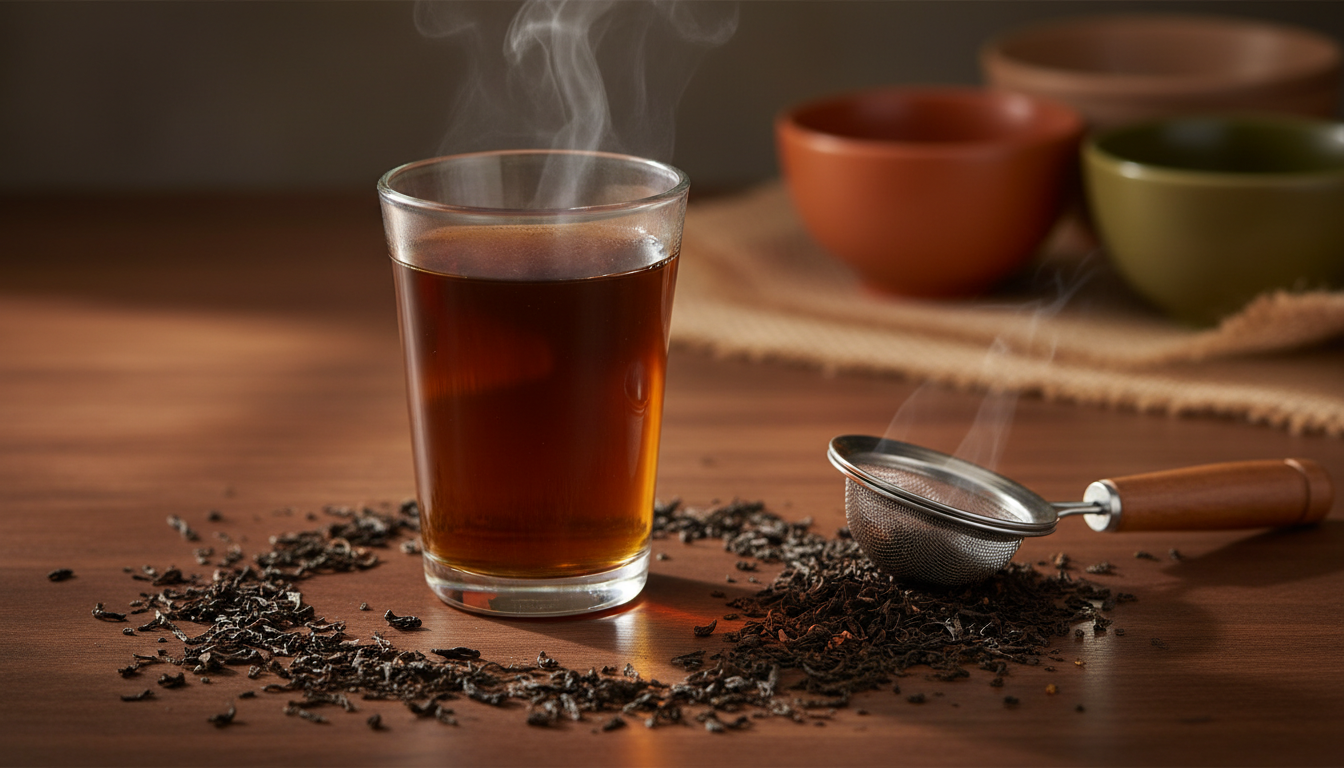

Black Tea: Types, Processing, and How to Brew It
Black tea is fully oxidized Camellia sinensis. Compare Assam, Darjeeling, Keemun, and Ceylon varieties. Learn processing, brewing, and caffeine levels.
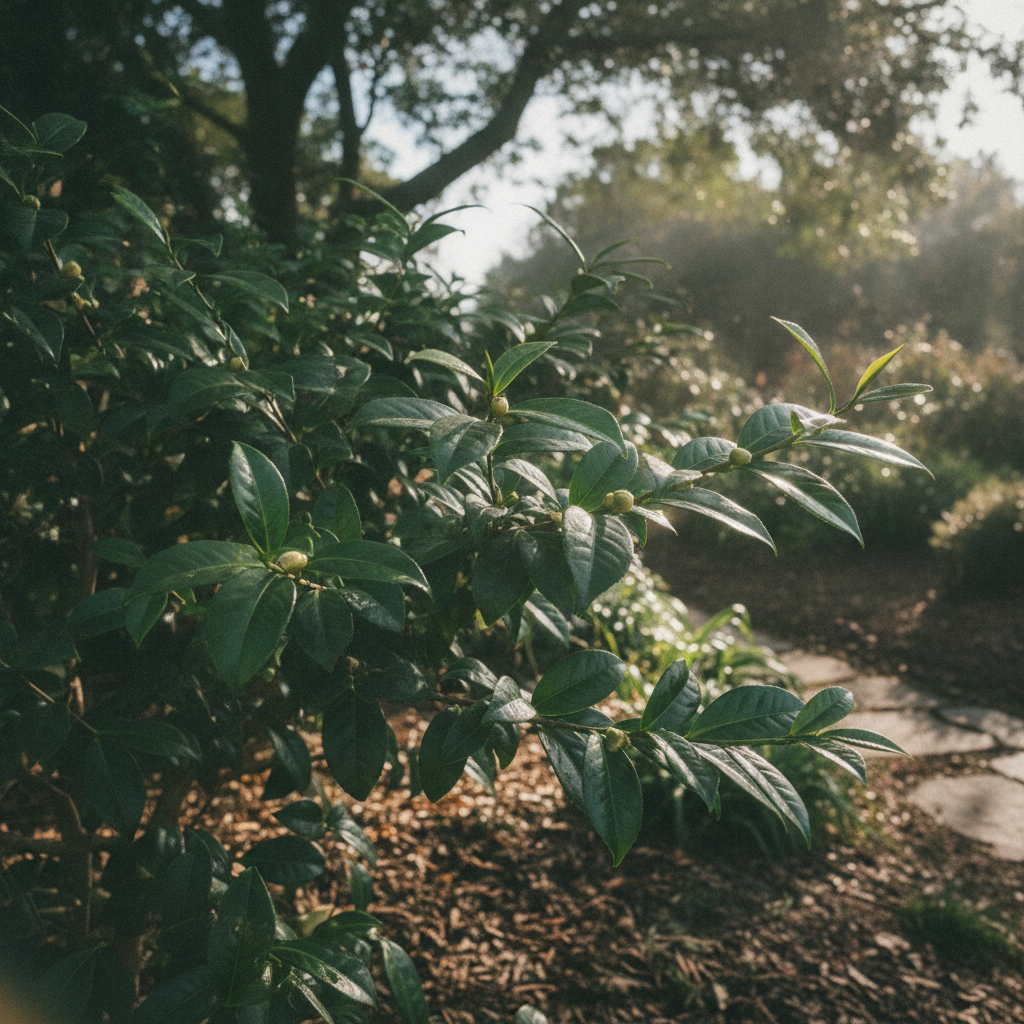

How To Grow Black Tea
Learn how to grow black tea at home: soil, climate, and the five processing steps from fresh leaf to a finished cup of black tea.

Wijsheid is de weg naar betere thee.
Ontvang onze gratis zetgids: het juiste water, de juiste temperatuur en de juiste trektijd voor elke thee die we verkopen. U hoort ook als eerste wanneer nieuwe oogsten binnenkomen.
Geen spam. U kunt zich altijd uitschrijven.
Kijk in uw inbox.
De gids is onderweg.