












10 Types of Tea Explained
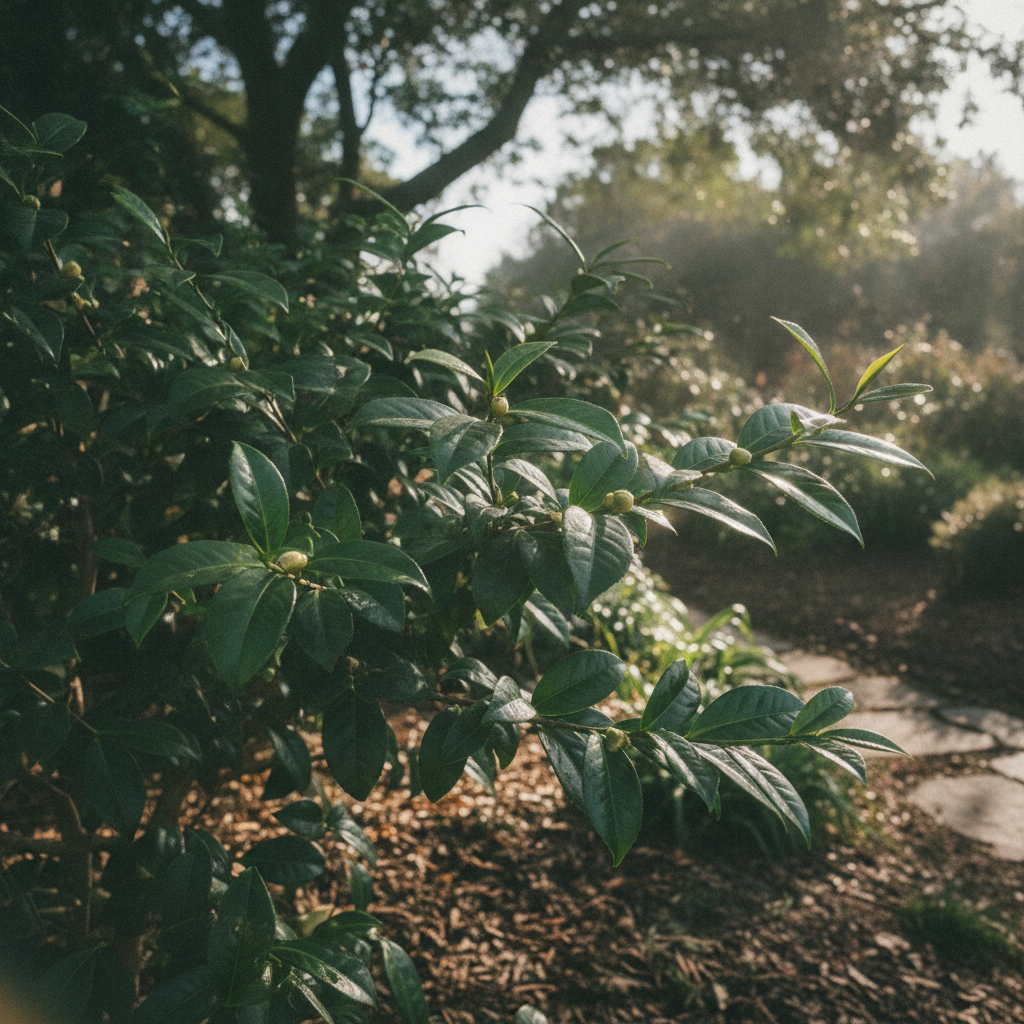
I have been importing tea for over fifteen years, and the first thing I tell every new customer is this: all true tea comes from one plant — Camellia sinensis. The leaves of this single species produce green, black, white, oolong, pu-erh, and every other "real" tea you have ever tasted. What creates the enormous variety is processing: how the leaves are handled after picking determines whether they become a grassy Japanese sencha or a smoky Chinese Lapsang Souchong. Then there are herbal teas, which are not teas at all in the botanical sense but infusions of other plants — chamomile flowers, peppermint leaves, rooibos bark. This guide covers ten types I know well from sourcing and tasting them daily that span the full spectrum, giving you a practical reference for understanding what is in your cup and what to try next.
When I evaluate a tea, the process is always the same: see the leaf, smell it, brew it, drink multiple infusions. Only after forming my own opinion do I check the origin or read what others say about it. That habit changed how I taste everything, and it is the advice I give anyone working through a list like this one.
Green Tea
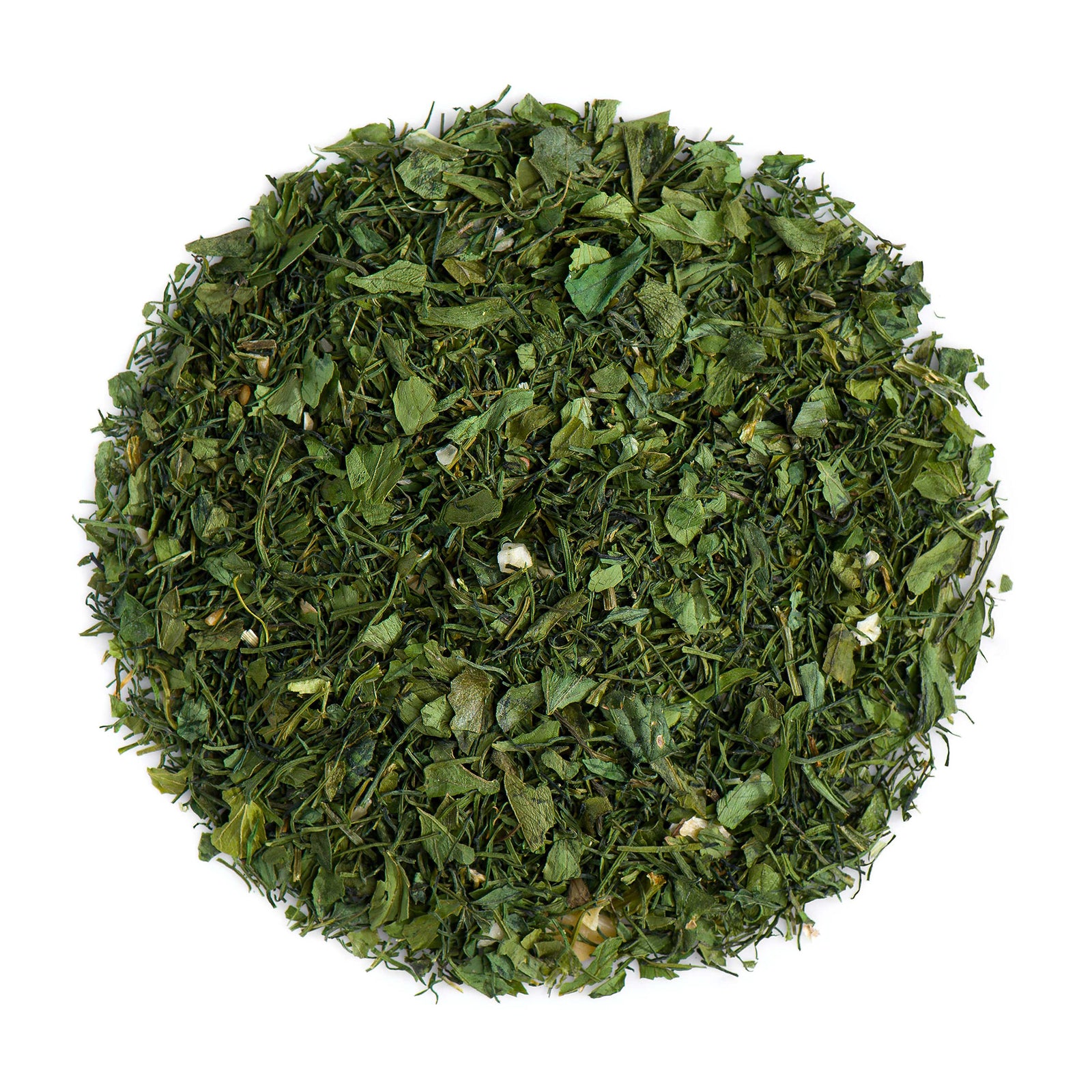
Green tea is the least oxidized of the true teas. After picking, the leaves are quickly heated — pan-fired in a wok (Chinese method) or steamed (Japanese method) — to prevent the enzymatic browning that would turn them into oolong or black tea. This preserves the leaf's green color and produces a cup that ranges from vegetal and grassy to sweet and nutty depending on the specific variety and processing.
Chinese green teas like Longjing (Dragon Well) have a toasty, chestnut-like sweetness from pan-firing. Japanese greens like Sencha are steamed, giving them a brighter, more marine character with an almost seaweed-like umami. Gunpowder green tea is rolled into tight pellets that unfurl during steeping — it brews strong and slightly smoky, making it the base for Moroccan mint tea. Gyokuro, shade-grown for three weeks before harvest, concentrates amino acids in the leaf and produces an intensely umami, almost brothy cup.
My mother brewed green tea the way most people do at first — boiling water, steeped too long, bitter result. It took me years of visiting Japanese tea shops and standing on Chinese slopes where these teas grow to understand that green tea is not forgiving.
I brew green tea at 70-80°C for 2-3 minutes. Boiling water scorches the leaves and creates bitterness — this is the single most common mistake people make with green tea.
Black Tea
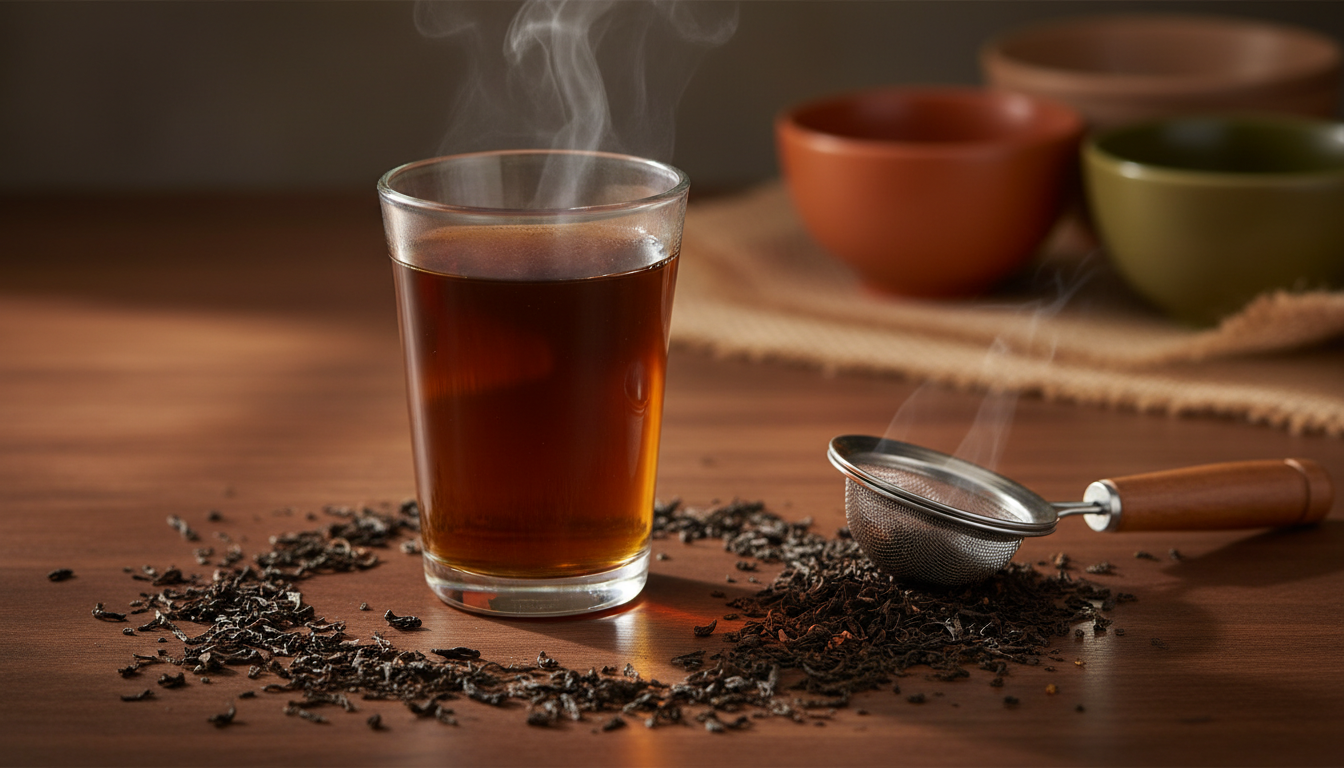
Black tea undergoes full oxidation, which transforms the leaf's chemistry and creates bold, malty, sometimes brisk flavors. It is the most consumed tea type globally and the default "tea" in most Western countries.
The character of black tea depends heavily on where it is grown. Assam, from northeastern India, is full-bodied, deeply malty, and strong enough to stand up to milk — it forms the backbone of most breakfast blends. Darjeeling, from the hillside estates of West Bengal, is lighter and more delicate with muscatel grape notes and floral aromas. Ceylon (Sri Lankan) teas vary by elevation — high-grown teas are bright and citrusy, low-grown teas are full-bodied and strong.
Chinese black teas take a different approach entirely. Keemun is smooth and wine-like with cocoa notes. Dian Hong (Yunnan black) is honeyed and malty without the astringency common in Indian teas. Earl Grey is not a variety but a flavored blend — typically a Chinese or Sri Lankan base scented with bergamot oil.
Brew at 95-100°C for 3-5 minutes. Black tea is forgiving — it handles boiling water well, though delicate varieties like Darjeeling benefit from slightly lower temperatures.
White Tea
White tea is the most minimally processed tea category. The leaves are simply withered in the sun or in a controlled indoor environment, then dried. No rolling, no deliberate oxidation, no firing — just picking and drying. This produces a tea that is subtle, naturally sweet, and delicate in body.
Silver Needle (Bai Hao Yin Zhen) is the top grade, made exclusively from unopened buds covered in fine white down — which gives the category its name. It brews a pale, almost colorless liquor with notes of honeydew melon and a gentle sweetness. White Peony (Bai Mu Dan) includes both buds and the top two leaves, producing a slightly fuller cup with more body and a hint of dried fruit.
White tea originates from Fujian province in China, though production has expanded to other regions. Brew at 80-85°C for 3-5 minutes. Use more leaf than you would for other teas — the buds are bulky relative to their weight.
Oolong Tea
Oolong is the most diverse tea category, spanning an oxidation range from 15% to 85%. This means oolong can taste like anything from a floral, butter-smooth green tea to something approaching a roasted black tea with deep mineral notes — and everything in between.
Oolong is where I learned that a single category can contain entirely different worlds. Fujian oolongs tend toward a drier aftertaste from large-scale, mechanized, spring-only production. Taiwanese oolongs lean floral, coming from smaller batches harvested in both spring and winter. Tie Guan Yin remains a personal favourite — great thick mouthfeel and refreshingly sweet — but calling it the same as a high-mountain Taiwanese oolong would miss the point entirely.
Light oolongs from Taiwan's high mountains (Ali Shan, Li Shan) are floral, creamy, and sweet with a lingering finish. Tie Guan Yin (Iron Goddess of Mercy) from Anxi, China, is traditionally a medium-oxidation tea with orchid-like fragrance. On the dark end, Wuyi rock oolongs like Da Hong Pao and Rou Gui are heavily oxidized and charcoal-roasted, producing deep mineral, caramel, and stone fruit notes.
Oolong is well suited to re-steeping. Quality oolongs yield 5-10 infusions, each revealing different flavors. Ball-rolled oolongs need room to unfurl — avoid cramming them into a small tea ball. Gongfu brewing (small vessel, high leaf ratio, short steeps) is a good method for exploring an oolong's full range. Brew at 85-95°C depending on oxidation level — lighter oolongs at the lower end, darker oolongs at the higher end.
Pu-erh Tea
Pu-erh is a post-fermented tea from Yunnan province, China. Unlike other teas where freshness is prized, pu-erh can be aged for decades — and often improves with time. It comes in two main types: sheng (raw) and shou (ripe).
Sheng pu-erh starts out green and astringent, then transforms over years of microbial fermentation into something earthy, smooth, and deeply complex. A well-aged sheng pu-erh (20+ years) is one of the most expensive teas in the world. Shou pu-erh is a modern invention (developed in the 1970s) that accelerates the aging process through controlled composting — called "wet piling" — producing an earthy, smooth tea within months rather than decades.
Both types are typically compressed into cakes, bricks, or discs. You break off a chunk for brewing. The flavor profile is unique in the tea world — earthy, mushroomy, leathery, with a thick, almost oily body. It is an acquired taste, but once acquired, it tends to become an obsession.
Brew with fully boiling water (100°C). Rinse the leaves with a quick first steep that you pour off, then brew subsequent infusions for 10-30 seconds in gongfu style. Good pu-erh can yield 10-15+ infusions.
Matcha
Matcha is stone-ground Japanese green tea consumed as a powder rather than steeped leaves. Because you drink the whole leaf dissolved in water, the flavor is concentrated compared to regular green tea.
The tea plants are shade-grown for 3-4 weeks before harvest, which forces the plant to produce more chlorophyll and amino acids (particularly L-theanine). The shading gives matcha its vivid green color and umami-rich flavor. After harvest, the stems and veins are removed, and the remaining leaf (called tencha) is ground on granite stone mills into a fine powder.
Ceremonial grade matcha is bright green, smooth, and naturally sweet with strong umami. Culinary grade is cheaper, more bitter, and designed for cooking and lattes rather than drinking straight. Prepare by sifting 1-2 grams of powder into a bowl, adding 60-80ml of 80°C water, and whisking vigorously with a bamboo chasen (whisk) until frothy.
Herbal Tea
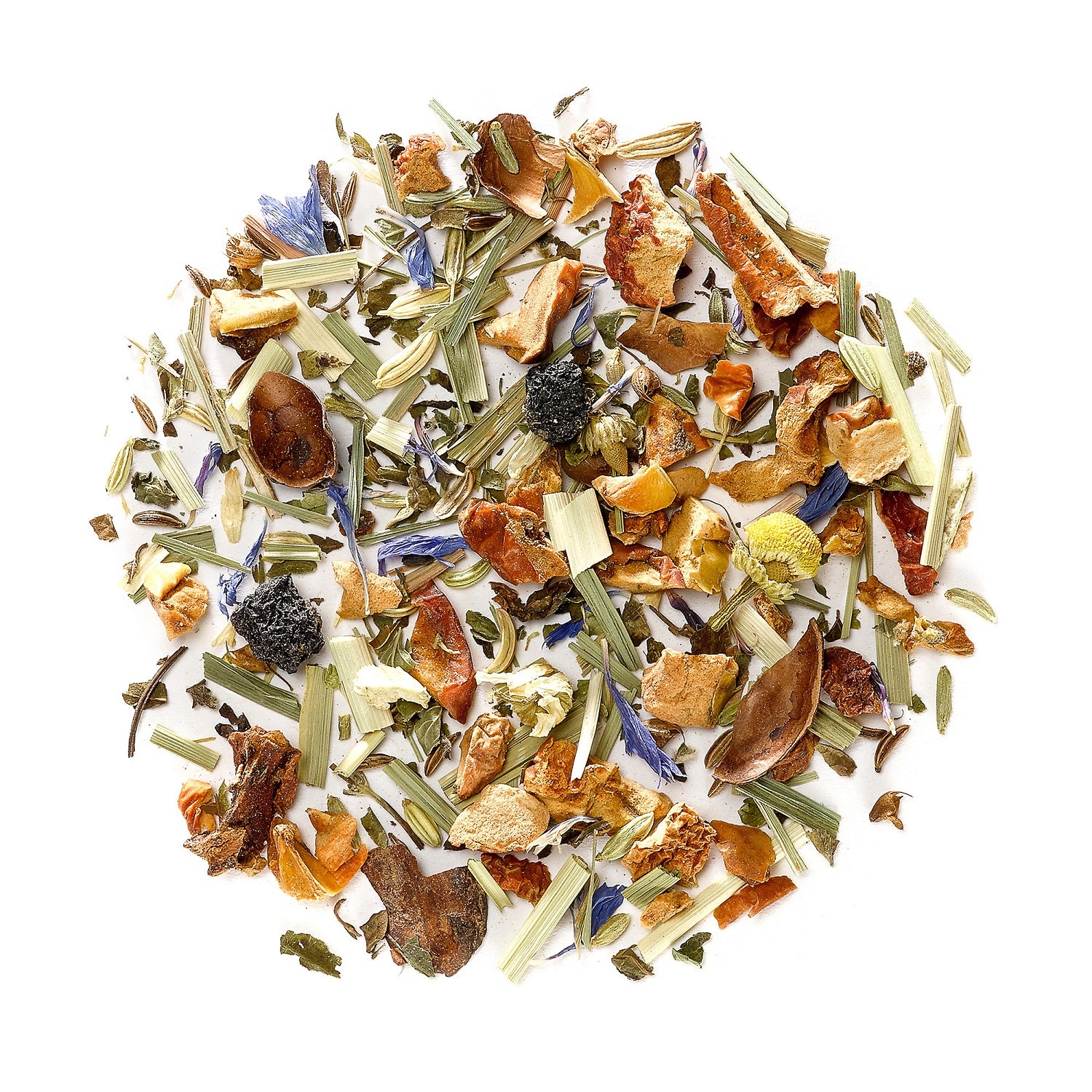
Herbal teas — technically called tisanes — are not tea at all. They contain no Camellia sinensis and are instead infusions of dried herbs, flowers, roots, bark, seeds, or fruits. Their main advantage beyond flavor: they are naturally caffeine-free.
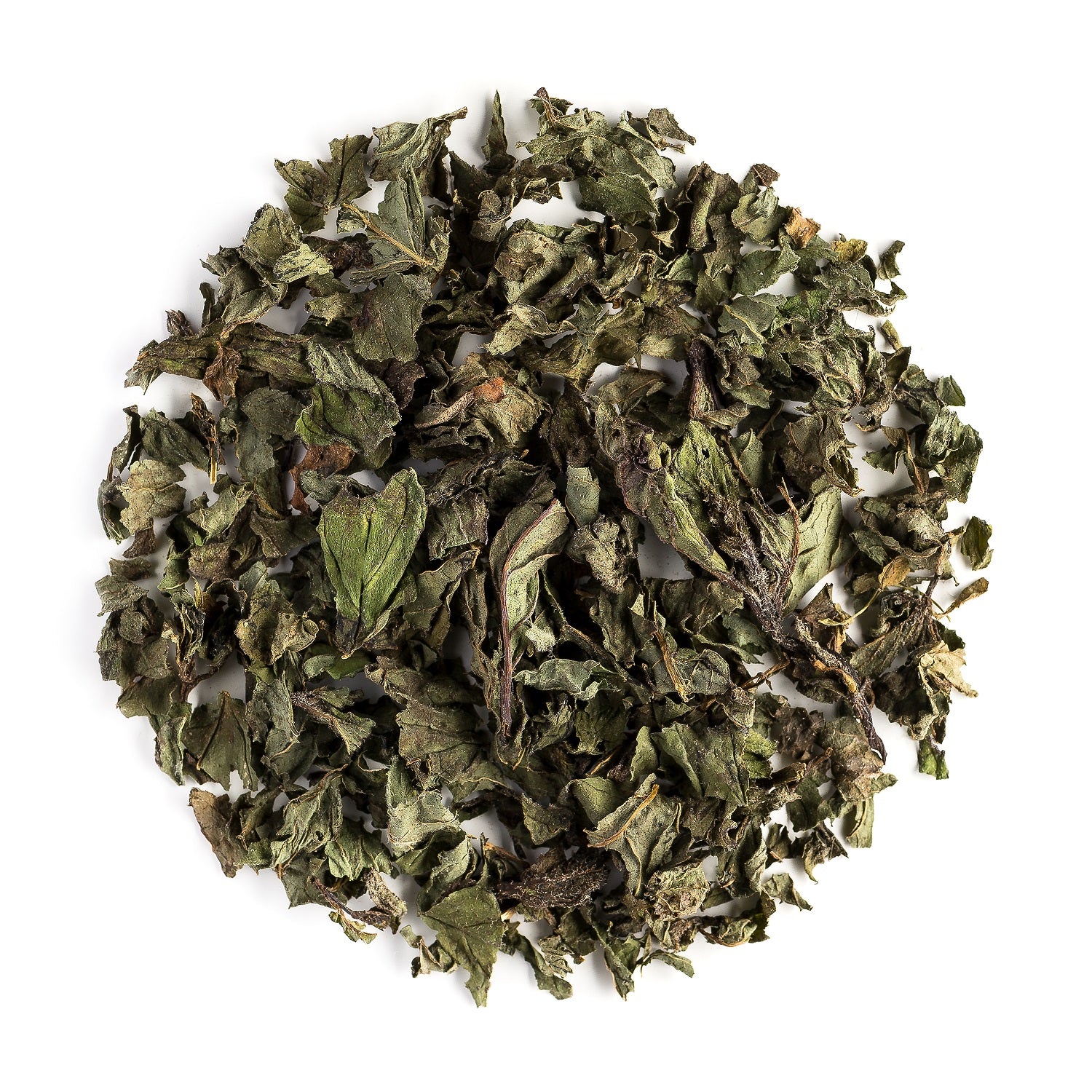
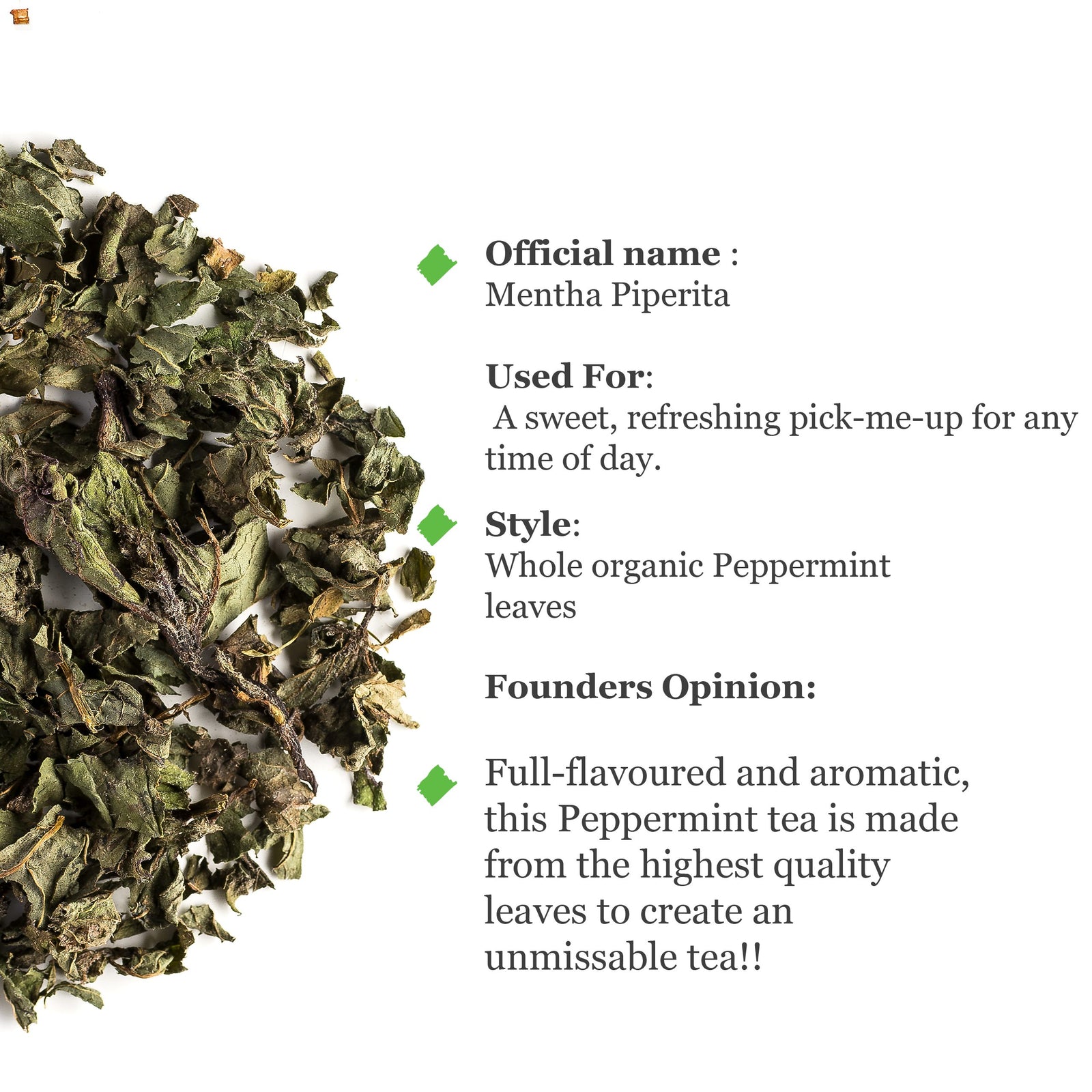
Chamomile is the most widely consumed herbal tea, made from dried flower heads with a gentle, apple-like sweetness. Peppermint tea is brisk and cooling, a common choice after meals. Hibiscus brews a deep ruby-red cup that is tart, fruity, and known for its tart, fruity flavor. Ginger tea — made from fresh or dried ginger root — is spicy and warming.
Rooibos, from South Africa, sits in its own category. It comes from the Aspalathus linearis plant and brews a naturally sweet, slightly nutty, caffeine-free cup. Red rooibos is oxidized (like black tea's processing), while green rooibos is unoxidized and lighter in flavor.
Brew herbal teas with fully boiling water (100°C) for 5-10 minutes. Most herbal teas can handle long steeping without becoming bitter, unlike true teas.
Chai Tea
Chai means "tea" in Hindi, so "chai tea" is technically redundant — but the term has stuck in Western usage to describe the specific spiced milk tea preparation from India called masala chai.
The base is strong black tea — typically CTC Assam. Our masala chai blends Assam with cardamom, cinnamon, fennel, ginger, anise, cloves, and cardamom, chosen for its ability to hold its own against milk and spices. Common spices include cardamom (the dominant note in most versions), cinnamon, ginger, cloves, and black pepper. The spice blend varies by household and region. Some versions add star anise, fennel, or nutmeg.
The preparation matters as much as the ingredients. True masala chai is simmered — the tea, spices, water, milk, and sugar are cooked together in a pot for several minutes. This is fundamentally different from steeping a tea bag in hot milk. The simmering process extracts deep flavor from the spices and creates a thick, rich drink with a character that shortcut methods do not produce.
Jasmine Tea
Jasmine tea is a scented tea, most commonly made with a green tea base layered with fresh jasmine blossoms. During production, the tea absorbs the fragrance of the flowers over several hours or overnight. High-quality jasmine tea may go through this scenting process multiple times — up to seven layers for the highest grades.
The result is a tea that is fragrant, smooth, and gently sweet with a floral aroma that lingers in the cup. Jasmine Dragon Pearl is a format where the leaves are hand-rolled into small pearls that unfurl gracefully during steeping. Jasmine tea can also be made with a white or oolong base, though green tea is by far the most common.
Brew at 80-85°C for 2-3 minutes. The floral notes are delicate and can be overwhelmed by over-steeping. Jasmine tea is one of the most accessible entry points for people exploring Chinese tea.
Rooibos Tea
Rooibos grows exclusively in the Cederberg region of South Africa, about 200 kilometers north of Cape Town. The plant (Aspalathus linearis) is not related to Camellia sinensis, making rooibos a herbal tea by definition — though its processing mirrors that of true tea.
Red rooibos is the standard variety. The harvested leaves and stems are bruised, then left to oxidize in the sun — a process similar to black tea production. This oxidation turns the plant material reddish-brown and develops the characteristic sweet, slightly nutty, vanilla-like flavor. Green rooibos skips the oxidation step, producing a lighter, more grassy cup with a different flavor profile.
Rooibos is naturally caffeine-free and low in tannins, which means it rarely becomes bitter even with long steeping. It works well with milk and honey — sometimes called "African red bush tea" or used as a caffeine-free base for flavored blends. Brew with boiling water (100°C) for 5-7 minutes or longer.
Finding Your Tea
Each of these ten types offers something the others do not. If you want bold and simple, start with black tea. If you want delicate and nuanced, try white or light oolong. If caffeine is a concern, herbal teas and rooibos have none. If you enjoy complexity and evolution across multiple cups, oolong and pu-erh reward repeated steeping.
My advice is to pick one type that appeals to you and explore within it before jumping to the next. A single category like oolong or green tea contains more variety than most people realize. In my experience, quality matters more than quantity — one excellent tea teaches you more about a category than ten mediocre ones. Start with whole-leaf teas from a specialist supplier, brew with attention to temperature and time, and let your palate guide you from there.
Related Articles
Leave a comment
Comments will be approved before showing up.
Also in Valley of Tea Blog | Tea Guides, Origins & Brewing Tips
The Complete Guide to Drinking Tea
What tea is, how the main types differ in the cup, and how to brew each one properly. Water temperature, steeping times, storage and how to get more than one cup from your leaves.
Read More

Black Tea: Types, Processing, and How to Brew It
Black tea is fully oxidized Camellia sinensis. Compare Assam, Darjeeling, Keemun, and Ceylon varieties. Learn processing, brewing, and caffeine levels.

How To Grow Black Tea
Learn how to grow black tea at home: soil, climate, and the five processing steps from fresh leaf to a finished cup of black tea.

Wisdom is the path to better tea.
Get our free brewing guide: the right water, heat and timing for every tea we sell. You will also hear it first when new harvests arrive.
No spam. Unsubscribe any time.
Check your inbox.
The guide is on its way.