













Jasmine Pearl Green Tea: Hand-Rolled Organic
What Is Jasmine Pearl Green Tea?
Jasmine pearl green tea, sometimes sold as Mo Li Long Zhu or jasmine dragon pearls, is green tea made from spring-picked buds and young leaves, hand-rolled into small balls, then scented with fresh jasmine blossoms over several evenings rather than sprayed with jasmine oil. The pearls unfurl slowly in hot water, releasing leaf and flower together.

The tea is traditionally made in Fujian province, southern China, where jasmine has been paired with green tea for generations. Producers pick the top bud and two leaves in early spring, then roll each set by hand into a tight pearl while the leaf is still pliable. Once dried, the pearls are layered with fresh, night-blooming jasmine blossoms, because jasmine releases most of its essential oils after dark.
The blossoms are removed and replaced with fresh ones six to seven times over the course of scenting, each morning's spent flowers swapped out before the next night's layer goes on. At the highest grade, no blossoms are left in the finished tea: by that point they have given up their fragrance and would only add dead weight, so leftover blossoms mixed into the dry leaf are a sign of a lower grade.
This is what separates real jasmine pearl green tea from cheaper "jasmine tea" bags, which are often just green tea fannings sprayed once with jasmine oil for a faster, flatter aroma. Because the base is Camellia sinensis and the shaping is done entirely by hand, no two batches roll out quite the same.
How to Brew Jasmine Pearl Green Tea Properly
Brew jasmine pearl green tea with water at 80 to 85°C, not a full boil, using roughly 3 grams of pearls, about one heaped teaspoon, per 200ml of water, steeped for 2 to 3 minutes. Because the pearls unfurl gradually rather than all at once, they hold up to three or four re-steeps, with each infusion run slightly longer than the last.
The most common mistake is using boiling water. At 100°C, the delicate buds scorch, pushing the flavour toward grassy and vegetal notes and burying the jasmine underneath. The second mistake is oversteeping: leave the pearls in too long and you draw out excess catechins, which taste astringent and bitter rather than "fresh", flattening the floral top notes. The third is using too few leaves.
Because the pearls need room to unfurl and release their scent in layers, a thin ratio reads as watery rather than gently floral. I set a timer for the first infusion and taste before deciding whether to extend the second. Caffeine in the finished cup depends more on the bud-and-young-leaf picking and how long you steep than on the fact that it is green tea, so if you are caffeine-sensitive, shorten the steep rather than switching teas.
Like most green teas, jasmine pearls decline faster than white or dark oolong teas once opened, so I recommend buying only what you will get through before the next spring harvest and keeping the tin sealed away from other strong smells.
Flavor Profile and Tasting Notes
Jasmine pearl green tea tastes sweet and floral with a nutty green tea base and a silky, smooth mouthfeel. The aroma is fragrant without being cloying: white flower and a touch of honey sit over a grassy backbone from the Camellia sinensis leaf underneath.
The sweetness comes mainly from the natural sugars in young spring buds, not from the jasmine itself and not from L-theanine, which instead contributes a smooth, savoury undertone that rounds out the sharper floral notes rather than adding sweetness. As the pearls unfurl across successive steeps, the nutty character of the leaf becomes more pronounced while the jasmine top notes soften.
A shorter first steep favours the floral and delicate side of the tea; letting later infusions run a little longer brings out more of the vegetal, leafy character underneath. Compared with oil-scented jasmine teas, this style tends to taste more layered and less perfumey, since the fragrance is absorbed by the leaf itself rather than coated on top.
Final Thoughts on Jasmine Pearl Green Tea
Jasmine pearl green tea rewards a bit of attention: fresh jasmine scenting over several nights rather than a spray of oil, water kept below boiling, and a leaf that is worth re-steeping three or four times before it fades. Get those basics right and the tea shows sweet, floral, nutty notes with a silky mouthfeel that a rushed cup never reveals.
We have built our sourcing relationships in Fujian and other origin regions over fifteen-plus years specifically to find batches where the hand-rolling and scenting are done properly, not rushed to hit a price point. If you want to taste the difference for yourself, our organic jasmine pearl green tea is a good place to start.
Teas Featured in This Article

Leave a comment
Comments will be approved before showing up.
Also in Valley of Tea Blog | Tea Guides, Origins & Brewing Tips


Rooibos Iced Tea: Caffeine-Free Refresher
Learn to make rooibos iced tea two ways: hot-brewed over ice in 15 minutes, or a smoother overnight cold brew, plus flavour additions and storage tips.

Spice Cabinet Organization: A Practical System That Works
Learn how to organize your spice cabinet with a practical system that keeps every jar findable and fresh. Temperature, layout, and audit tips included.
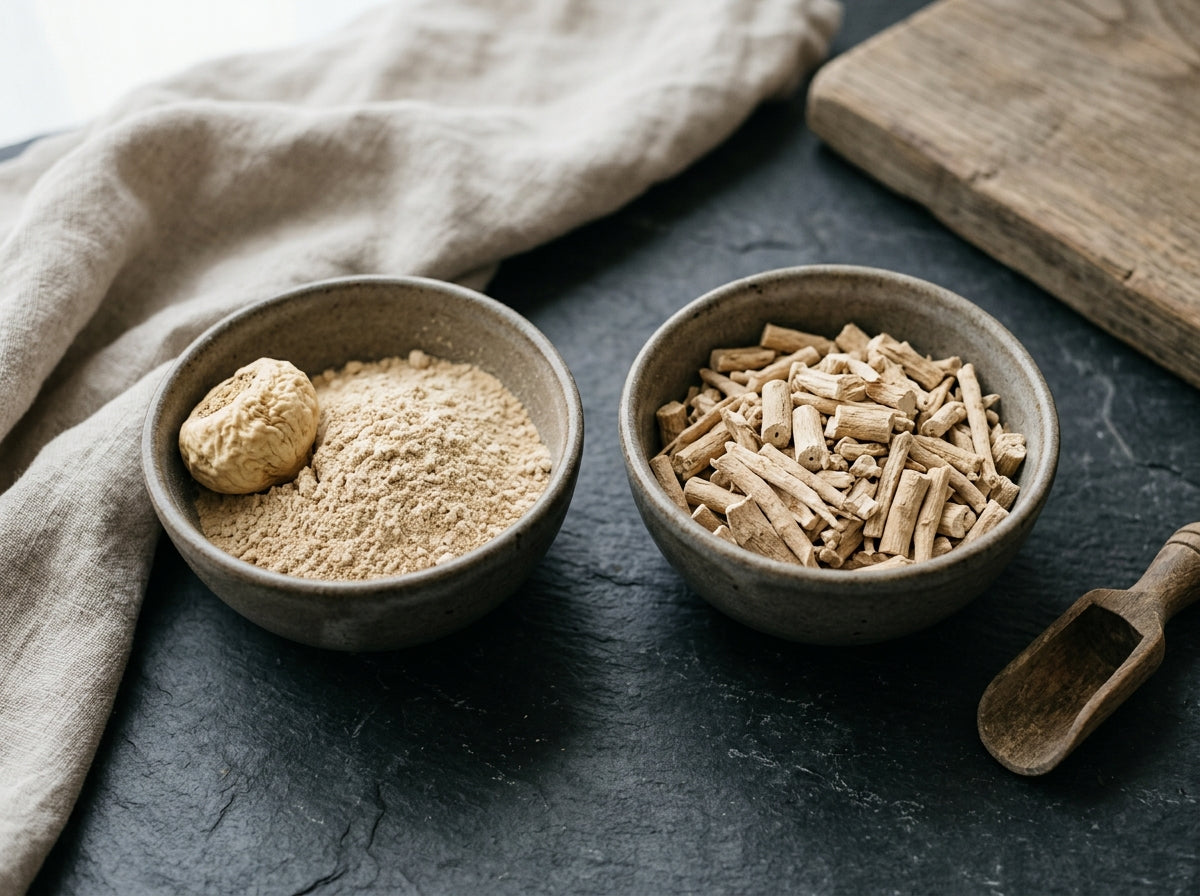

Maca or Ashwagandha for Your Daily Routine
Choosing between maca or ashwagandha? Learn how each root tastes, when to use them, and the best ways to prepare each in tea or drinks.

Wisdom is the path to better tea.
Get our free brewing guide: the right water, heat and timing for every tea we sell. You will also hear it first when new harvests arrive.
No spam. Unsubscribe any time.
Check your inbox.
The guide is on its way.