













Matcha Green Tea and What Is in the Bowl
Is matcha green tea good for you? The honest answer is that matcha contains meaningfully higher concentrations of catechins and L-theanine than a cup of steeped green tea. Matcha is stone-ground, shade-grown leaf that you drink whole, not an infusion you steep and discard.

I have been importing and tasting matcha for more than twenty years. The first thing I tell customers is that a well-made ceremonial-grade powder should smell sweet and grassy, never flat or like hay. A single 2g serving carries meaningfully more EGCG (epigallocatechin gallate) than a typical cup of steeped green tea: the ground-leaf format concentrates far more of the compound than an infusion you steep and discard. That concentration is the real story here, not vague wellness claims.
What Matcha Contains
A 2g serving of matcha delivers substantially more EGCG than a cup of steeped green tea, several times the concentration by most estimates, alongside a meaningfully higher dose of L-theanine and roughly 35-70mg of caffeine. It also contributes small amounts of vitamin C, vitamin K, potassium and iron, though it is not a significant source of any single nutrient on its own.
EGCG and the other catechins in matcha are what give it astringency and a bitter edge when brewed too hot or too fast, not a "fresh" flavour as some marketing copy claims. L-theanine, meanwhile, is an amino acid responsible for umami and a smooth, savoury mouthfeel, not sweetness. The sweetness you taste in a good matcha comes from the natural sugars concentrated in the youngest shaded leaves, not from L-theanine itself.
The reason matcha's numbers run higher than steeped tea is simple: you're drinking the ground leaf, not an infusion you throw away after a few minutes. That is also why shading and harvest timing matter so much to us at sourcing: the leaf goes through a deliberate shading period before harvest, and that step is a genuine growing decision, not a marketing detail, so we choose our Japanese matcha accordingly.
Stone-ground matcha produces a noticeably finer, silkier powder that blends better into water and tastes richer and sweeter than machine-milled powder, which stays coarser and grittier in the cup.
Matcha, L-Theanine and Caffeine
Research on matcha centers on two compounds, L-theanine and caffeine.
The L-theanine and caffeine combination in matcha comes in with the ground leaf.
I notice the aroma first every time I drink good matcha: it's the same thing that first drew me to it over twenty years ago: a wildly aromatic, strong start with an aromatic finish that stays with you. That combination is what separates a well-made matcha from an average one, for me.
EGCG is one of the catechins behind matcha's bitter edge. That is a real, measurable chemical property, so whisk with water well below boiling.
Readers managing a cardiovascular or other medical condition should treat matcha as a beverage choice they discuss with their doctor, not a treatment.
The Bottom Line
Matcha green tea is a genuinely distinctive beverage: high in catechins, rich in L-theanine. Drunk daily as part of a balanced diet, at a normal serving size, it is a reasonable choice for people who enjoy it, not a cure-all.
My own routine is simple: five grams of matcha whisked into 250ml of water at a low temperature, nothing added, prepared slowly with a bamboo whisk. It is as much a moment of quiet as it is a drink.
The same underlying logic applies if you're asking whether green tea generally is good for you. Steeped green tea shares the same plant, Camellia sinensis, and many of the same compounds as matcha, just at lower concentrations per cup because you discard the leaf. If you're deciding between the two, let taste and ritual guide you as much as the chemistry does, and start with a small, properly brewed cup rather than judging matcha by one bitter, overheated attempt.
Leave a comment
Comments will be approved before showing up.
Also in Valley of Tea Blog | Tea Guides, Origins & Brewing Tips
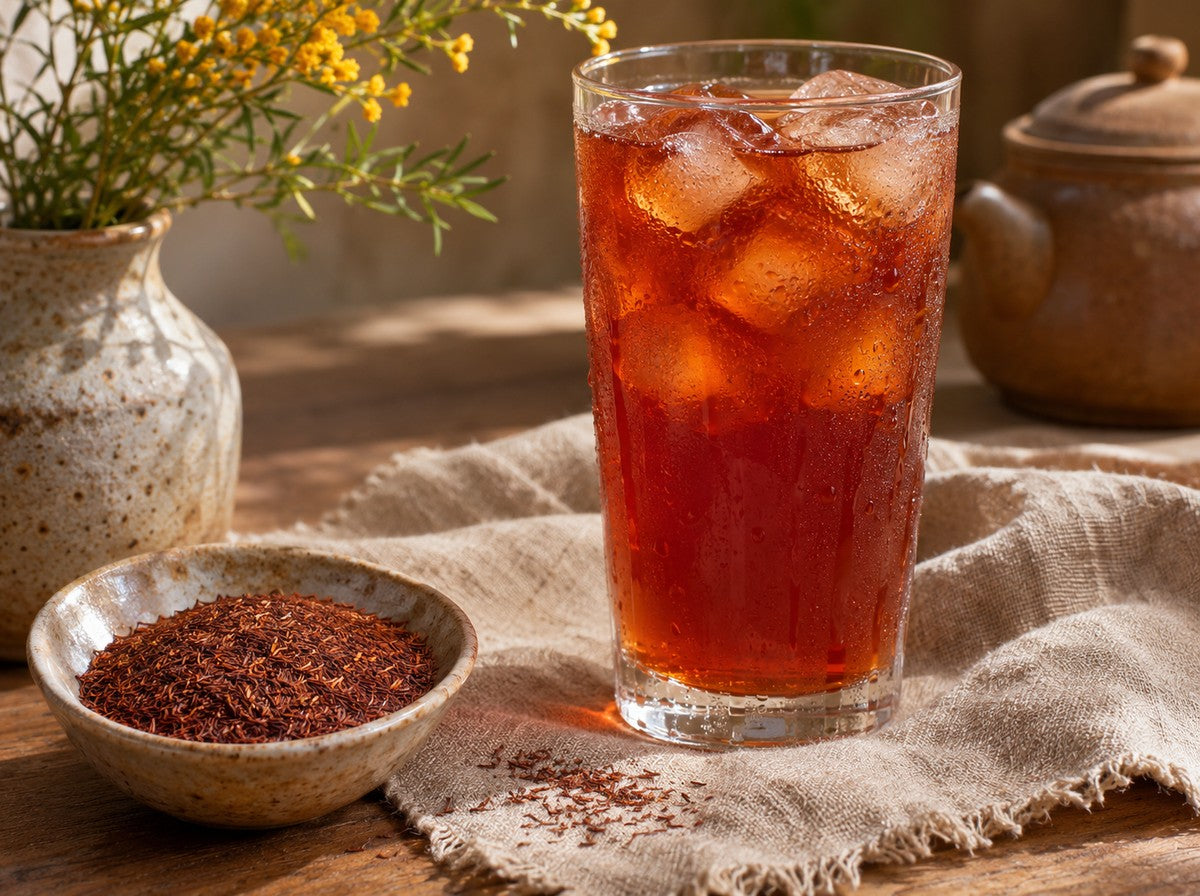

Rooibos Iced Tea: Caffeine-Free Refresher
Learn to make rooibos iced tea two ways: hot-brewed over ice in 15 minutes, or a smoother overnight cold brew, plus flavour additions and storage tips.

Spice Cabinet Organization: A Practical System That Works
Learn how to organize your spice cabinet with a practical system that keeps every jar findable and fresh. Temperature, layout, and audit tips included.

Maca or Ashwagandha for Your Daily Routine
Choosing between maca or ashwagandha? Learn how each root tastes, when to use them, and the best ways to prepare each in tea or drinks.

Wisdom is the path to better tea.
Get our free brewing guide: the right water, heat and timing for every tea we sell. You will also hear it first when new harvests arrive.
No spam. Unsubscribe any time.
Check your inbox.
The guide is on its way.