












Tea Industry Trends 2025: What Is Shaping the Market
Tea industry trends 2025 point in one direction: quality is pulling away from volume. The global tea market continues to grow, and this year the pressure points are converging: new EU sustainability rules, a wave of direct-trade importers cutting out middlemen, and drinkers who increasingly ask where a tea was grown before they ask how it tastes.

I've sourced tea directly from producers since Valley of Tea started in 2010, and the shift over the past two years has been the sharpest I've seen. A single-cultivar Assam that used to be a niche request from wholesale buyers now shows up in ordinary shopping baskets. Below, I walk through the five trends actually reshaping the category this year, and what they mean for anyone buying a bag of loose leaf rather than a supermarket teabag.
Premiumization: Consumers Want Better, Not More
Tea buyers are trading quantity for provenance. Single-origin and single-cultivar teas are growing faster than blended commodity tea, and shoppers are willing to pay a real premium for something they can trace back to one garden and one harvest.
This is the same arc specialty coffee walked roughly a decade ago: roasters stopped selling "coffee" and started selling farms, altitudes, and processing methods. Tea is following that path, just slower, because the category has more history to unlearn. For decades, "tea" meant a blended, standardised bag designed to taste the same in every box. That model isn't disappearing, but it's no longer where the growth is.
I see this daily in sourcing. Good dried ginger, for example, should have a clear, peppery, almost fiery aroma and a consistent golden-brown colour. If it smells flat or barely at all, we pass on it. Ours comes from India and is dried specifically for a stable, spicy character. That kind of specificity, one country, one drying method, one flavour target, is exactly what premiumization rewards. Buyers no longer accept "ginger" as a category. They want to know whose ginger, and why it was chosen.
Sustainability and EU Regulation
The EU Deforestation Regulation (EUDR) starts affecting tea supply chains from 2025, requiring importers to prove their tea wasn't grown on recently deforested land. Combined with rising demand for certified organic tea and a hard shift away from plastic packaging, sustainability has moved from marketing line to compliance requirement.
EU organic tea imports have kept climbing year-on-year, and that demand is pulling more gardens into certification even where the domestic market doesn't require it. For importers, EUDR compliance means new paperwork: geolocation data on plots, supply chain mapping back to the farm, and documentation that didn't exist five years ago for most small gardens. We've watched this shift firsthand: gardens that used to send a single invoice now send GPS coordinates alongside it.
Plastic-free packaging has quietly become a baseline expectation rather than a premium feature. Compostable tea bags, unbleached paper, and recycled-material tags are turning up across the industry, not just from boutique brands. A shopper picking up a box today expects that baseline as a given, the same way free shipping became an assumption rather than a perk.
Direct Trade and Transparency
More small importers are working directly with gardens instead of buying through auction houses or multi-layer brokers, and buyers are asking for the farmer's name, the harvest date, and the processing method before they buy. Direct trade isn't new, but the demand for proof of it is.
QR codes linking to batch-specific sourcing information are becoming close to standard on premium packaging: scan the code, see the garden, the picking date, sometimes the processing photos. It's the tea equivalent of a wine label listing vintage and vineyard, and it only works if the importer actually has that information to share, which is the real test of whether "direct trade" is a genuine relationship or a marketing phrase.
I run every new lot through the same cupping protocol before we buy it: five grams, two hundred fifty millilitres, one hundred degrees, five minutes. It's my own standard rather than an official industry benchmark, but I use it on every lot, from every supplier, so nothing gets waved through on reputation alone. That consistency is what direct trade is supposed to deliver: fewer intermediaries between the garden and the cup, and fewer places for quality, or the story behind it, to get diluted.
Functional and Herbal Tea Growth
Herbal and functional teas have been gaining ground fast in European markets, and two categories are driving most of that: matcha and pu-erh are gaining mainstream awareness well outside Asia, and cold brew and ready-to-drink formats are expanding fast among under-35 consumers.
Pu-erh in particular has moved from a specialist interest to something ordinary shoppers ask about by name. It's a fermented tea aged anywhere from months to years, prized for an earthy, woodsy character that's genuinely different from anything in the green or black tea aisle, and that novelty is part of its appeal to a younger audience trying something new rather than switching from coffee outright.
Cold brewing became a personal habit of mine before it became a category trend, hibiscus especially. I first properly fell for it during a supplier visit in Egypt, where a family served it very cold, very sweet, and deeply red, nothing like the thin, warm cups I'd tasted back in Europe. That one glass shifted hibiscus from a product we simply stocked to one I actively talk about, and the RTD boom is essentially thousands of people discovering the same thing at their own pace: herbal tea doesn't need to be hot to be good.
What This Means for Tea Drinkers
For tea drinkers, these trends add up to more access to genuinely traceable, single-origin tea at prices that are fair rather than inflated, alongside far more transparency about where the leaf actually came from. The gap between premium loose leaf and commodity teabags keeps widening, and it's worth understanding why before you buy.
A commodity teabag blends leaf from multiple countries and harvests to hit a consistent flavour and price point every time, which is a legitimate goal, but it means no single origin, no single harvest date, nothing to trace. A single-origin loose leaf tea gives up that consistency in exchange for character: this year's harvest from this garden will taste slightly different from last year's, the same way a good wine does. Neither is wrong, but 2025's trends make it easier than ever to tell which one you're actually buying, because the sourcing information that used to stay inside the supply chain is now printed on the box or a scan away.
Conclusion
The tea industry trends 2025 is delivering aren't a rebrand of old habits. They're a genuine shift toward provenance, transparency, and sustainability that's been building for years and is now hitting compliance deadlines and consumer expectations at the same time. If there's one takeaway, it's this: the tea worth paying more for in 2025 is the tea you can trace back to a specific garden, harvest, and processing method, not just a country of origin printed in small type.
Direct sourcing has been our model since 2010, long before EUDR made traceability a legal requirement rather than a selling point, so this year's shift feels less like a pivot for us and more like the market catching up. If you're buying tea this year, ask where it's from, ask when it was picked, and see if the seller can actually answer.
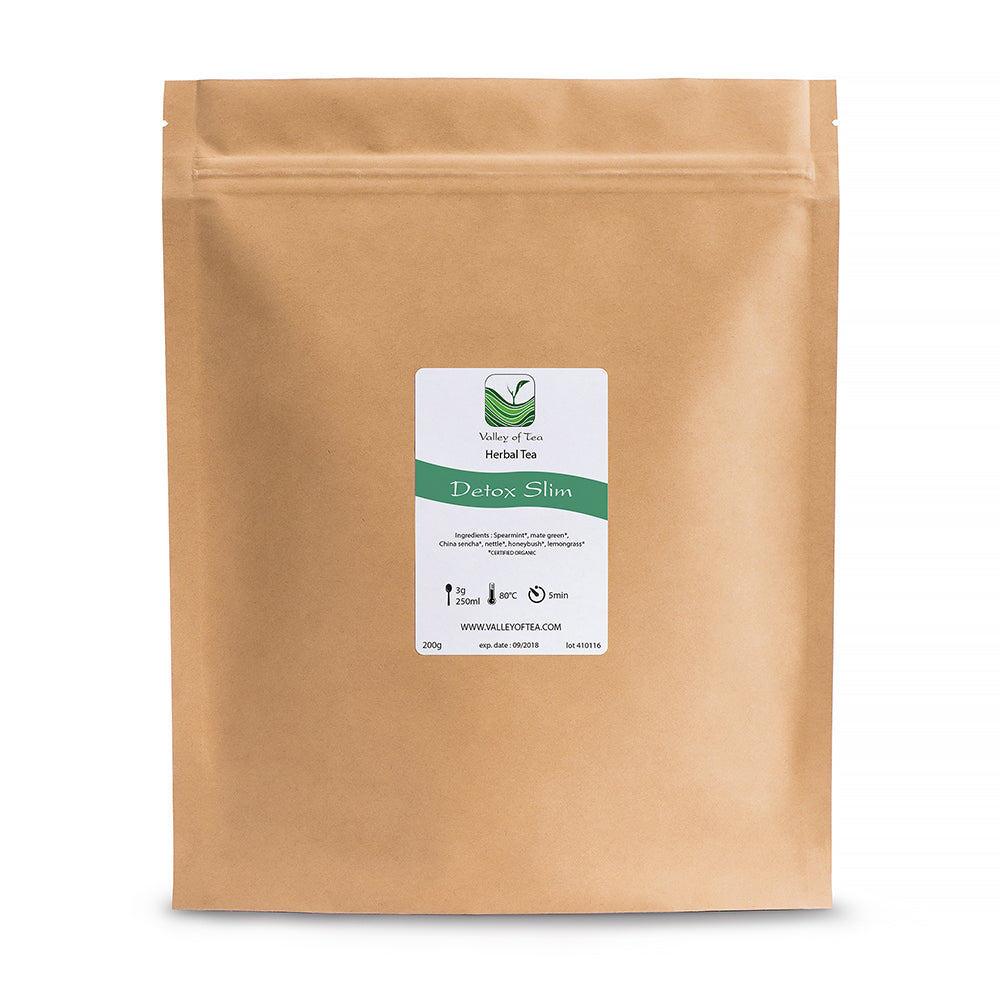
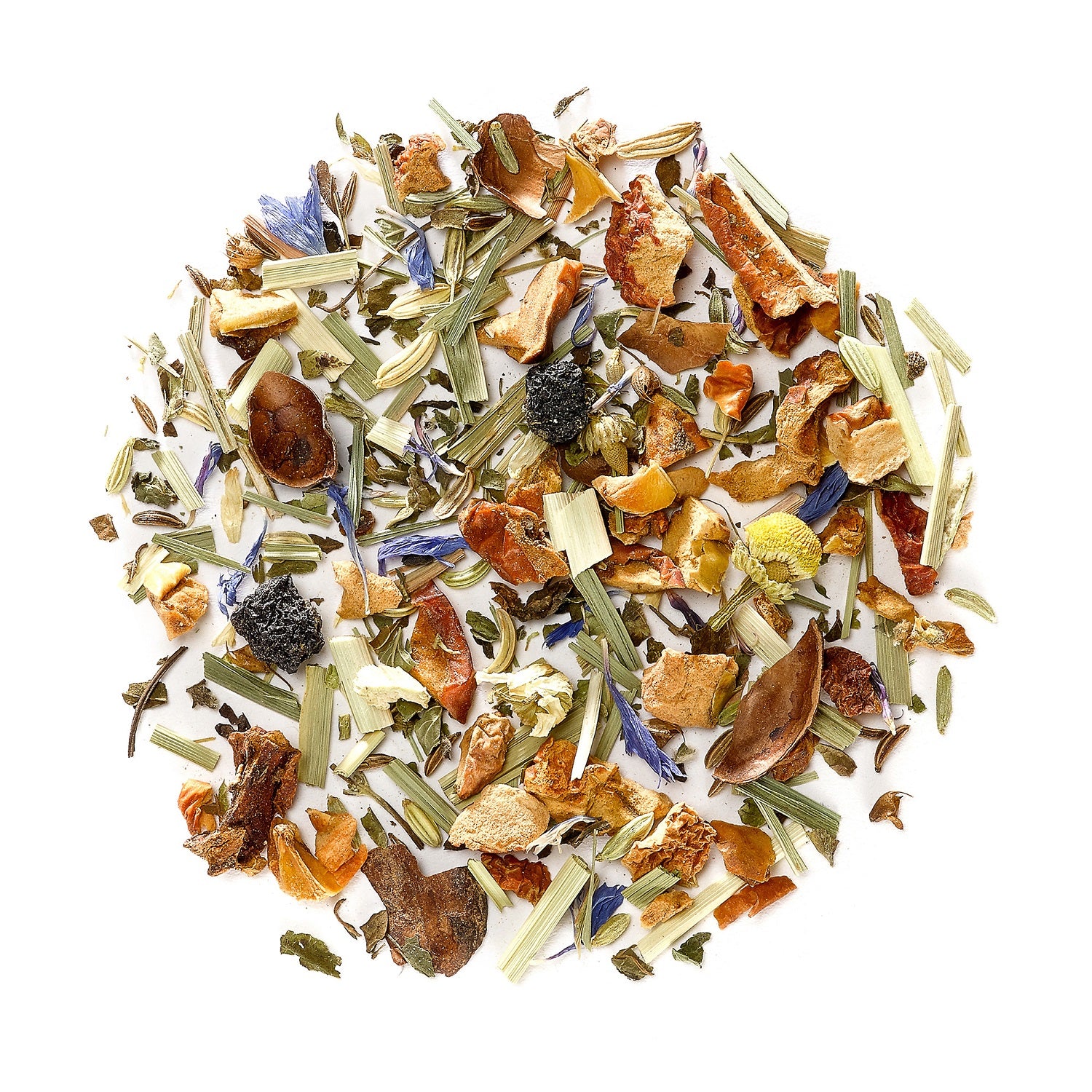
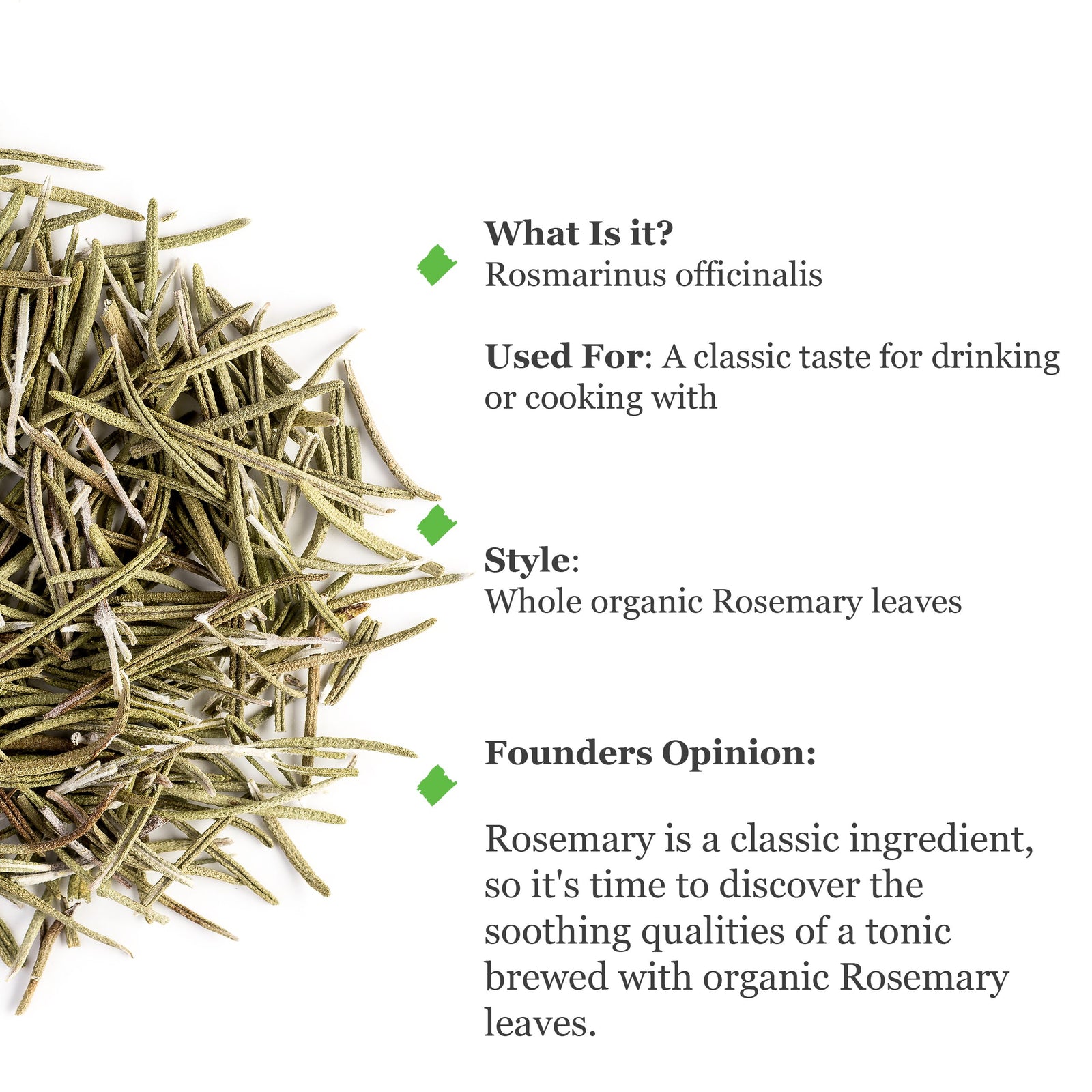
Teas Featured in This Article


Leave a comment
Comments will be approved before showing up.
Also in Valley of Tea Blog | Tea Guides, Origins & Brewing Tips

Rooibos Iced Tea: Caffeine-Free Refresher
Learn to make rooibos iced tea two ways: hot-brewed over ice in 15 minutes, or a smoother overnight cold brew, plus flavour additions and storage tips.

Spice Cabinet Organization: A Practical System That Works
Learn how to organize your spice cabinet with a practical system that keeps every jar findable and fresh. Temperature, layout, and audit tips included.

Maca or Ashwagandha for Your Daily Routine
Choosing between maca or ashwagandha? Learn how each root tastes, when to use them, and the best ways to prepare each in tea or drinks.

Wisdom is the path to better tea.
Get our free brewing guide: the right water, heat and timing for every tea we sell. You will also hear it first when new harvests arrive.
No spam. Unsubscribe any time.
Check your inbox.
The guide is on its way.