













Tea Pot Glass
A glass teapot lets you watch white tea unfurl and green tea slowly deepen in colour as it steeps. That visual element is a real part of the experience. The problem is that most tea pot glass products sold online are designed to look good in a product photo rather than to survive daily use with boiling water.

There is one material decision that matters more than anything else, and getting it wrong means your teapot cracks within months. This guide covers the practical choices that separate a pot you will use for five years from a decorative disappointment.
Borosilicate vs Regular Glass: The Non-Negotiable Choice
The only glass teapot worth buying is made from borosilicate glass. Regular soda-lime glass shatters under thermal shock: the sudden temperature change from pouring near-boiling water into a cold pot. Borosilicate glass expands at roughly one-third the rate of ordinary glass under heat, which is why it handles the transition without cracking.

Soda-lime glass is cheap to manufacture and common in decorative glassware. It works fine for cold drinks or gentle warming. Pour 95°C water into a cold soda-lime teapot and you are taking a real risk: the inner surface expands faster than the outer surface, creating stress that fractures the glass. This is not a matter of rough handling: it can happen on first use.
Borosilicate glass has been the standard in laboratory glassware and high-quality cookware for over a century. In teaware, it means you can pour water straight from the kettle without any hesitation. It is also visibly different: borosilicate has a cleaner, clearer appearance with lower green tint than typical glass. Hario, one of the most respected teaware manufacturers, uses borosilicate for all their glass teapots for exactly this reason.
Borosilicate options typically cost more than unspecified or "heat-resistant" glass: the difference is real but the protection against cracking is worth it. If a product listing does not state borosilicate explicitly, assume it is not.
Infuser Design: Built-In vs Removable vs None
The infuser design determines how flexible your teapot is across different teas and how easy it is to clean. Built-in glass filters suit large-leaf teas; removable stainless infusers work for nearly everything; no infuser gives maximum flexibility at the cost of an extra step.

A built-in glass or glass-and-metal filter sits permanently at the base of the spout or inside the pot. There are no parts to lose and no metal touching your tea at all. The tradeoff is that the fixed mesh size is optimised for certain leaf sizes. Very fine-cut herbs or fannings from broken tea will pass through, while large whole-leaf oolongs, white teas, and flower teas work well.
Removable stainless steel infuser baskets are the most practical design for daily use. You fill the basket, drop it in, steep, and lift it out when the tea reaches strength. The basket can go directly into the sink for rinsing.
Stainless steel at food-grade quality (304 or 316) has no effect on flavour. This design is easiest to work with when switching between different teas in a day.
No infuser at all means the glass pot functions as a vessel: you brew directly in it and pour through a separate strainer, or use it for teas that do not need straining at all (blooming teas, for example, where the flower sits open in the pot and you pour gently). This approach gives the most flexibility but adds one more item to wash.
Capacity, Spout, and Heat Retention
For solo brewing, 400-600 ml is the practical range. 1,000 ml or more suits two to three people. The spout angle and heat retention are two practical limitations of glass that are worth setting clear expectations around before buying.
A 500 ml tea pot glass holds roughly two generous cups or three smaller ones. This is enough for a single dedicated brew session without producing so much tea that the last cup is cold before you get to it. If you regularly share tea, a 900-1,000 ml pot is a better choice, though the visual appeal of watching leaves steep scales nicely with volume.
Spout design affects whether the pot drips. A wide, gently angled spout pours in a controlled stream at most tilt angles. Narrow or steeply angled spouts drip along the outer edge when you tilt past 45 degrees.
In product photos, tilt the displayed teapot mentally to about 45 degrees and check where the spout terminates relative to the pot body. A spout that rises above the waterline at rest will also prevent tea from leaking out when the pot is set down.
Glass loses heat noticeably faster than ceramic: a glass teapot without insulation will cool into a comfortable drinking range within a few minutes, which suits lighter teas but not those you want to keep hot. This is not a flaw so much as a characteristic.
For green and white teas brewed at 70-85°C, the temperature drop works in your favour: the tea cools into a pleasant drinking range faster. For black tea or herbal infusions where you want the tea to stay hot longer, a neoprene sleeve or a simple tea cosy makes a real difference.
Best Teas to Brew in a Glass Teapot
White tea, green tea, flower teas, and colour-shifting herbals are the best match for a glass teapot. The visual element is not just aesthetic: it gives you direct feedback on how the brew is progressing.

White tea brewed in glass shows a slow, pale golden deepening as the delicate leaves release their flavour. Silver Needle and White Peony unfurl naturally in a glass pot, and the large open vessel gives the leaves room to move. Green tea, particularly flat-pressed styles, changes the liquor colour noticeably as it steeps: watching the water shift from clear to pale yellow tells you more about extraction progress than a timer alone.
Blooming teas were designed specifically for glass vessels. The tightly compressed bundle opens over two to three minutes into a full flower display visible through the glass walls. The effect only works if the pot is clear enough to see through: borosilicate quality glass is essential here.
Colour-shifting herbal teas are worth highlighting. Butterfly pea flower brews to a deep indigo blue and turns purple or pink when you add anything acidic (a slice of lemon, a splash of hibiscus). Hibiscus itself brews a deep ruby red that shows brilliantly in glass. These herbals have practical reasons to use a glass teapot: seeing the colour tells you when the infusion is ready.
For heavily oxidised teas like robust Assam black teas or strongly steeped pu-erh, the visual benefit is lower and a clay pot may serve better for flavour development. But for everything where colour and leaf movement matter, the glass tea pot is the right tool.
Cleaning and Longevity Tips
A glass teapot is straightforward to clean but requires a few specific habits to last. Avoid the dishwasher, use citric acid for stains, and always store dry with the lid off.
Dishwashers cause two problems for glass teapots. The high-pressure water jets can loosen the silicone seal between glass body and metal collar or lid components over time. The thermal cycling from hot wash to drying heat is also harder on the silicone than manual washing in warm water. Hand-washing with a soft brush takes less than a minute and is the right approach.
Tannin stains are the main cosmetic issue. After weeks of brewing, the inside of a glass pot develops a brownish coating from tea polyphenols. This does not affect flavour but is visible through the clear glass.
A citric acid solution removes it without any scrubbing: dissolve one teaspoon of citric acid powder in 500 ml of warm water, fill the pot, and leave for 30-60 minutes. Rinse thoroughly. This is gentler than bicarbonate of soda and far gentler than abrasive cleaners, which scratch the glass surface.
Storage matters more than most people expect. Storing the pot with the lid on traps moisture inside, which leads to a stale, musty smell that transfers to the first brew. Store it dry with the lid resting next to the pot, not seated.
If the pot has a removable infuser, take it out completely. A pot stored this way can last a decade without any degradation in smell or function.
The Functional Sweet Spot
The best all-round tea pot glass setup is borosilicate glass, a removable stainless steel infuser basket, and a capacity of 500-600 ml. This combination handles the widest range of teas, makes cleaning straightforward, and gives you the full visual experience that makes glass teapots worth choosing in the first place.
If your main teas are white, green, or herbal, a glass pot suits them well. Pair it with loose leaf tea that has something to show in the water: unrolling leaves, deep colour, or a dramatic bloom. That combination is genuinely more enjoyable to brew than a ceramic pot in a closed cupboard. Take care of the glass properly and it will outlast three cheaper alternatives.
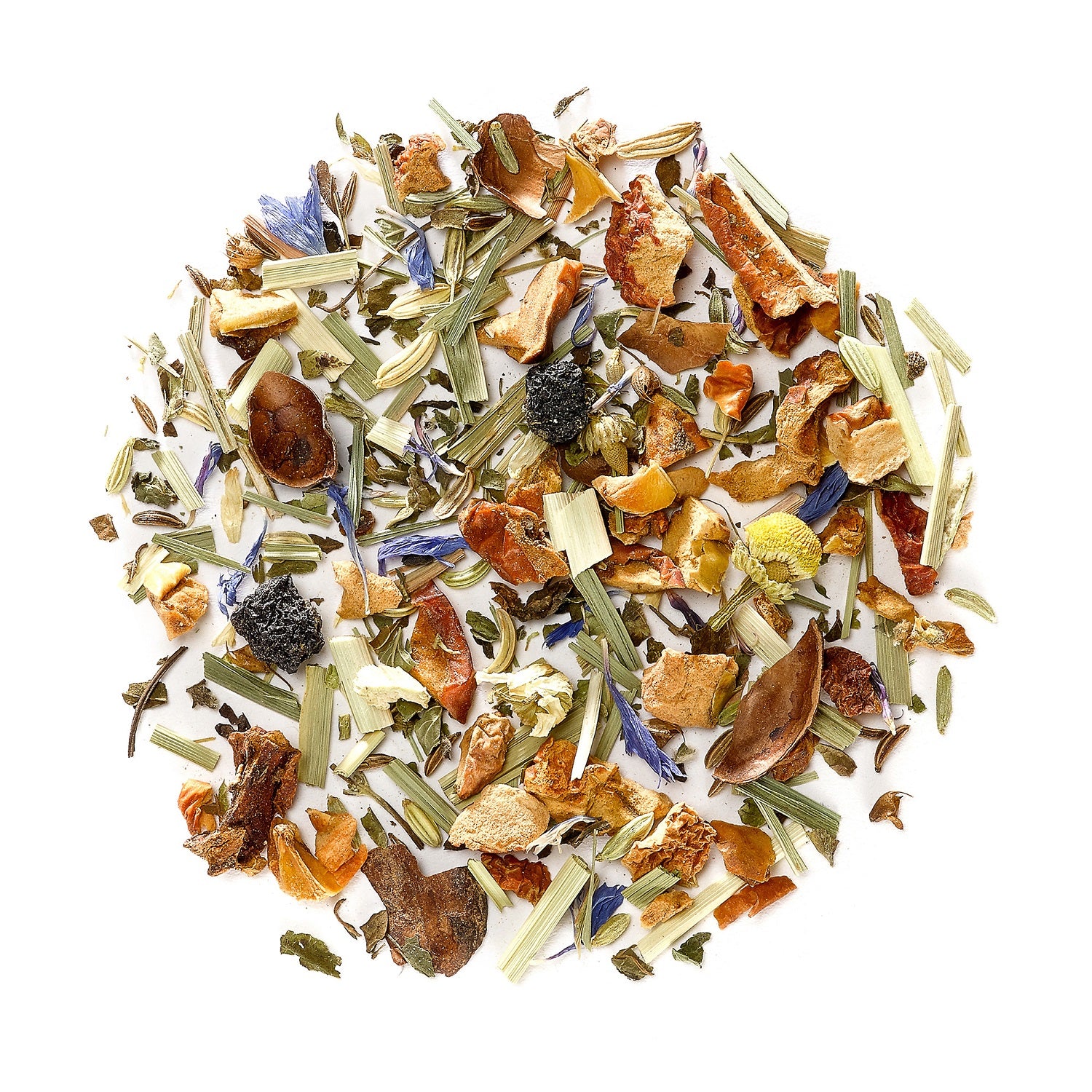
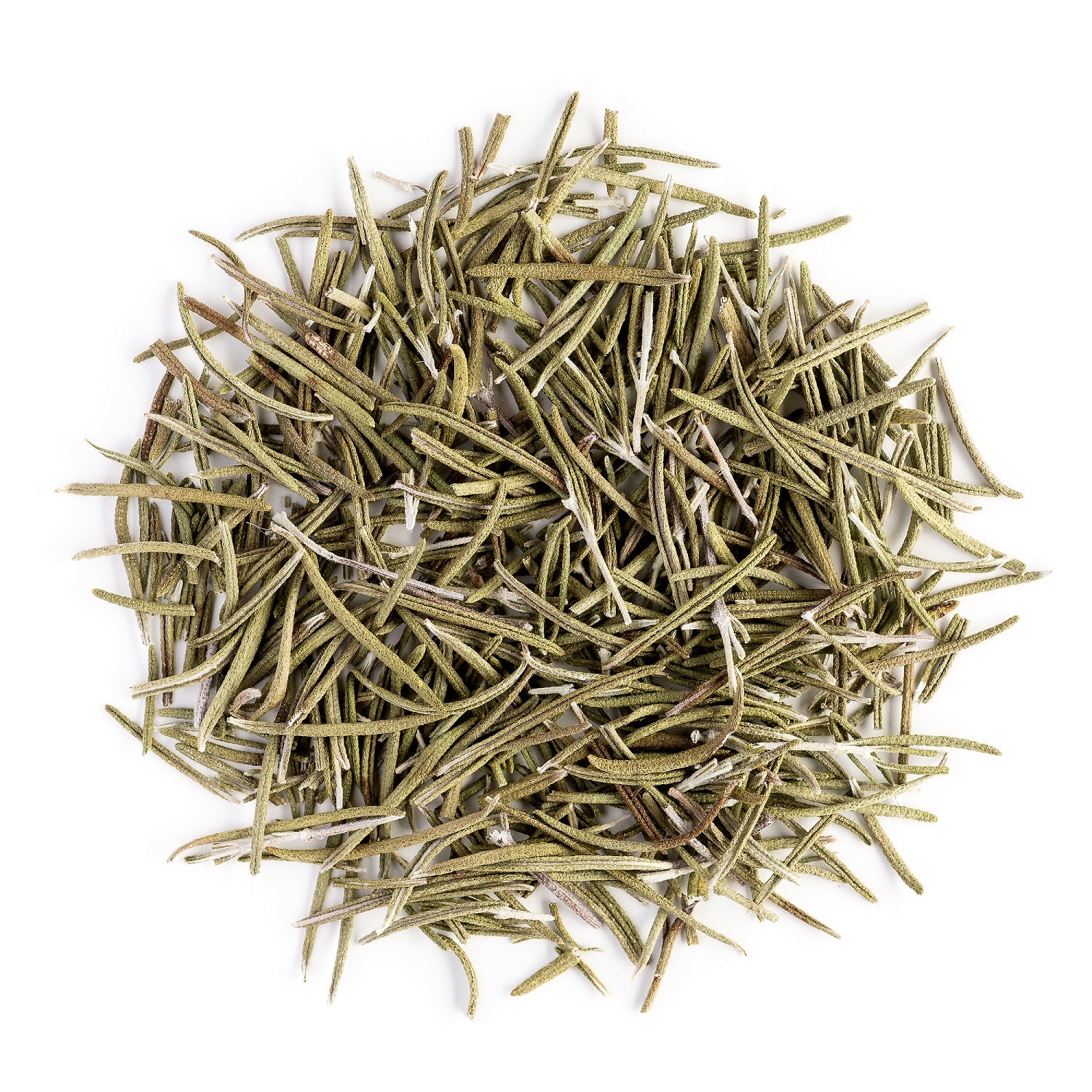
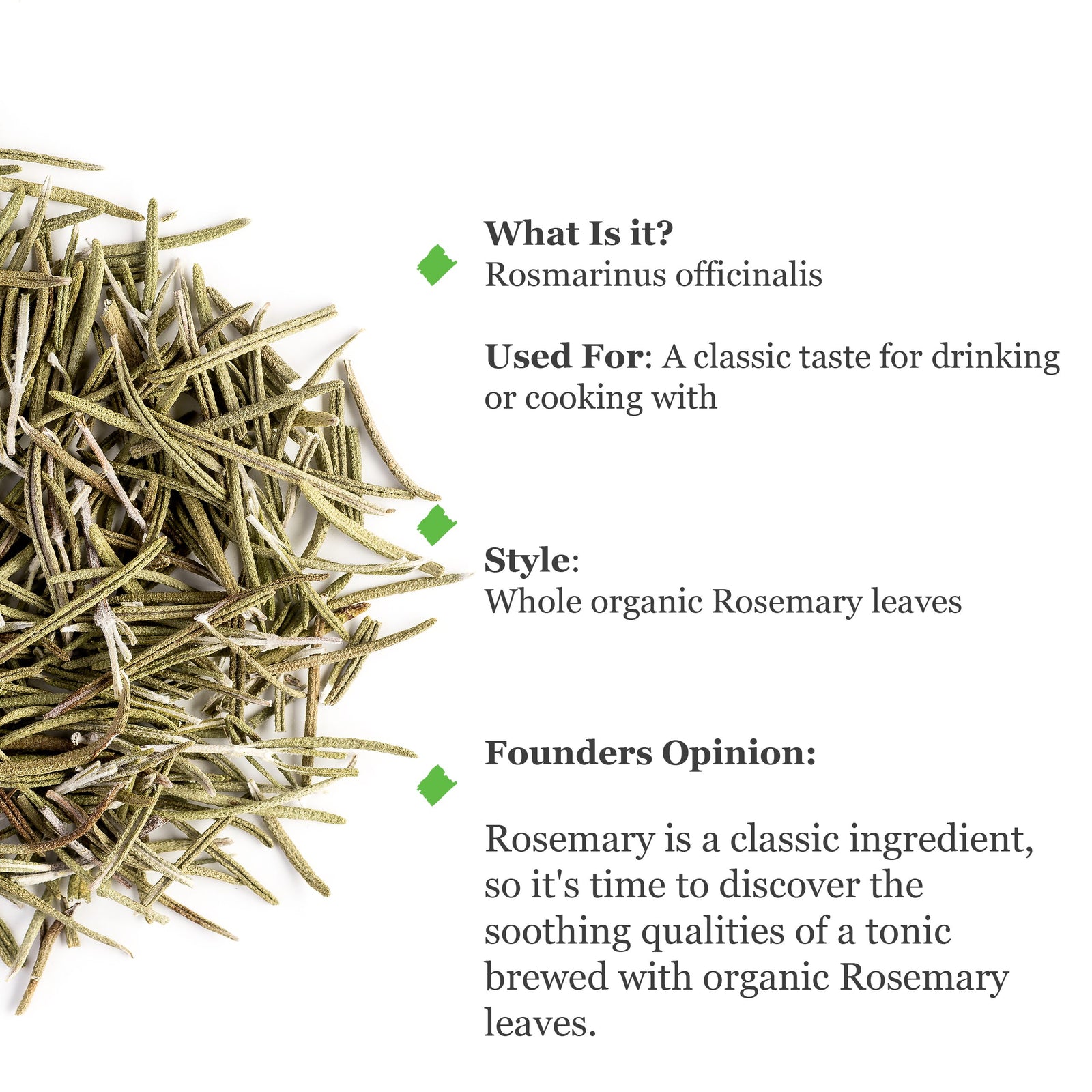
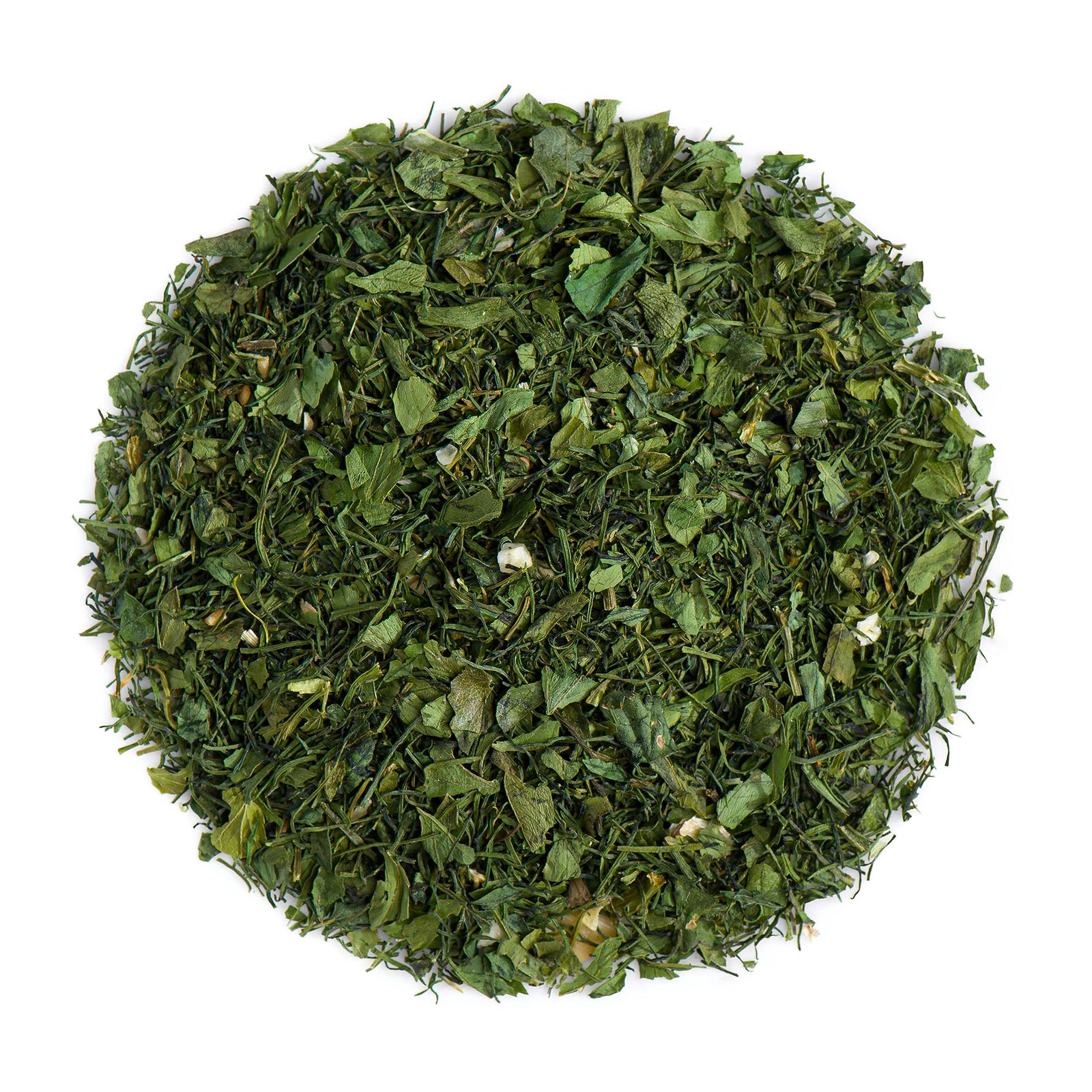
Teas Featured in This Article


Leave a comment
Comments will be approved before showing up.
Also in Valley of Tea Blog | Tea Guides, Origins & Brewing Tips
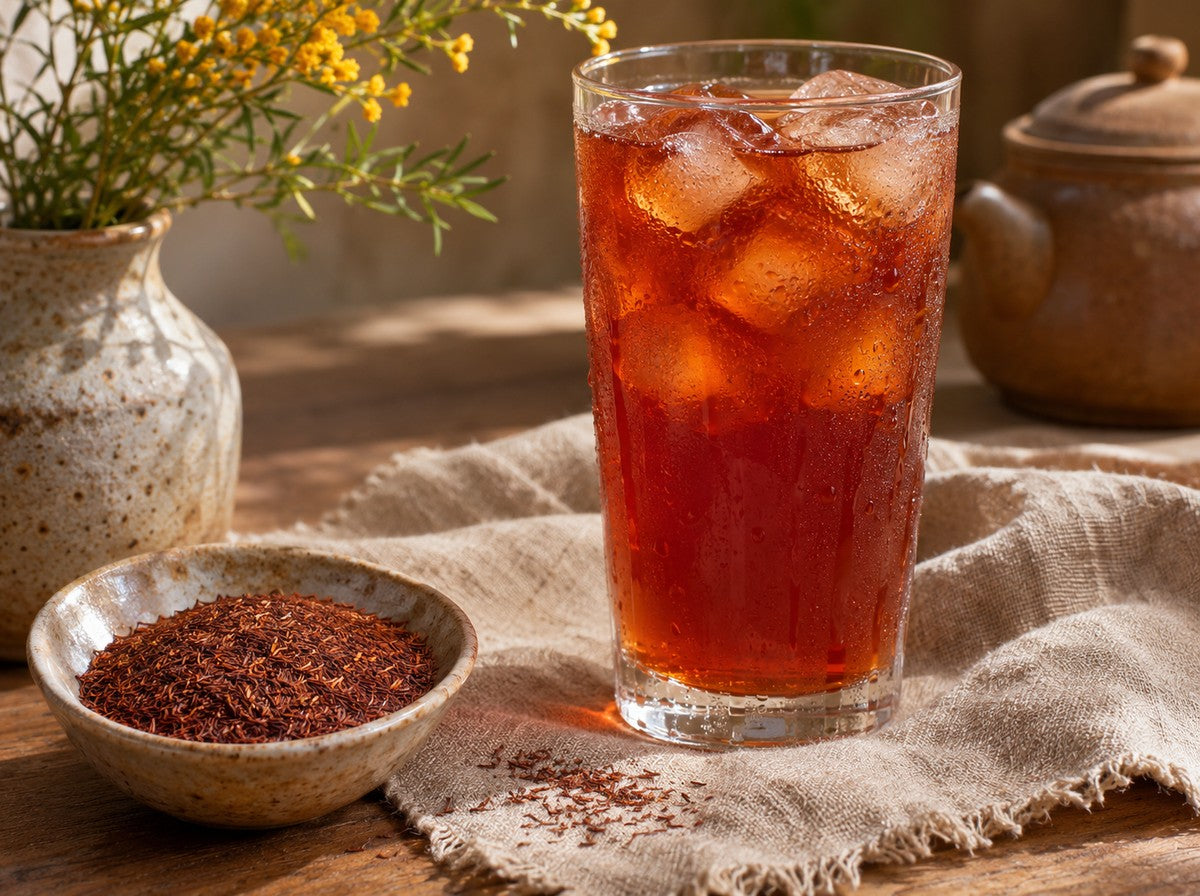

Rooibos Iced Tea: Caffeine-Free Refresher
Learn to make rooibos iced tea two ways: hot-brewed over ice in 15 minutes, or a smoother overnight cold brew, plus flavour additions and storage tips.

Spice Cabinet Organization: A Practical System That Works
Learn how to organize your spice cabinet with a practical system that keeps every jar findable and fresh. Temperature, layout, and audit tips included.

Maca or Ashwagandha for Your Daily Routine
Choosing between maca or ashwagandha? Learn how each root tastes, when to use them, and the best ways to prepare each in tea or drinks.

Wisdom is the path to better tea.
Get our free brewing guide: the right water, heat and timing for every tea we sell. You will also hear it first when new harvests arrive.
No spam. Unsubscribe any time.
Check your inbox.
The guide is on its way.